Outfits & Style · Everyday Boho
Boho Style 101: Building Your Bohemian Wardrobe from Scratch
A beginner-friendly roadmap to building a bohemian capsule wardrobe piece by piece.
9 min read
Outfits & Style · Everyday Boho
A beginner-friendly roadmap to building a bohemian capsule wardrobe piece by piece.
If you’re starting from zero, building boho style into your wardrobe doesn’t mean replacing everything you own by next weekend. It means choosing a short list of foundation pieces first, in fabrics and colors that all talk to each other, and adding texture and accessories only after that foundation is solid. Most closets that read boho from across the room are actually built from a surprisingly small number of interchangeable pieces, not an overwhelming collection. This is a piece-by-piece roadmap: what to buy first, what’s worth thrifting, and how to layer for a year of actual wear instead of one outfit for a photo.
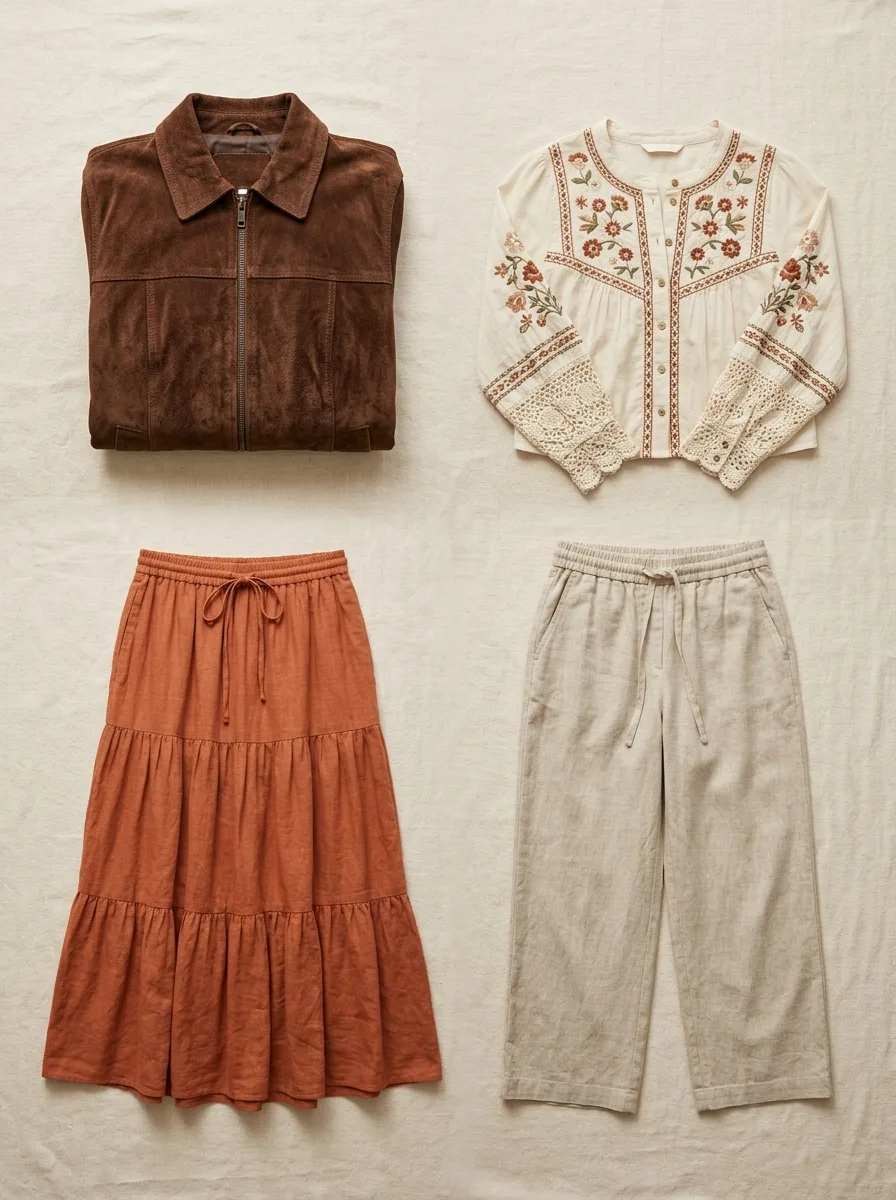
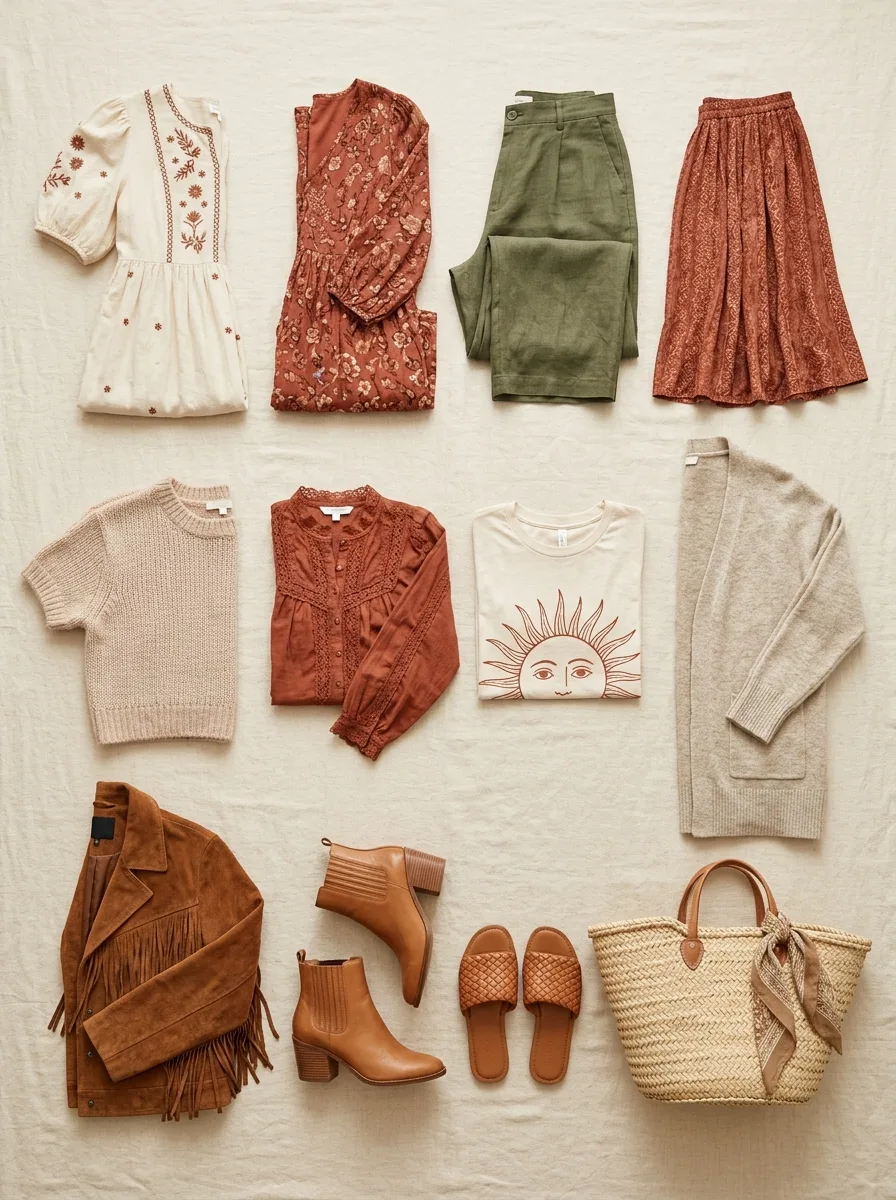
Before anything printed or accessorized, get these four items in solid earth tones:
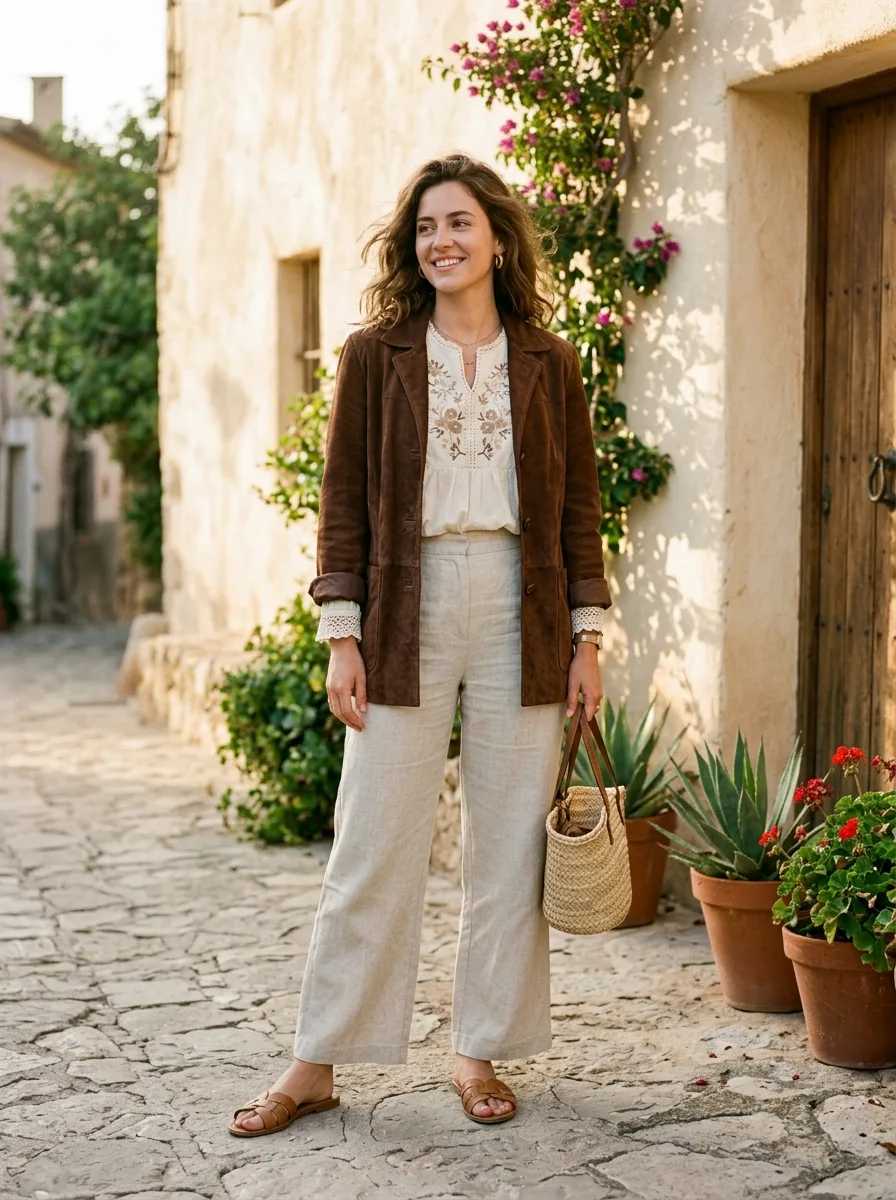
These four pieces alone recombine into close to a week of genuinely different outfits, which is the whole point of starting here instead of with accessories or prints.
Once the foundation is in place, round it out to roughly twelve pieces total:
That’s a genuinely functional capsule, not a minimalist’s capsule dressed up in earth tones — it has enough range to cover work-casual, weekend, and evening with the same dozen pieces recombined.
Beginners tend to reach for pattern first, because it’s the most obviously “boho” signal. Texture is actually the easier and more forgiving entry point: crochet, suede, macrame, and embroidery mix with almost anything in your existing wardrobe without the color-matching effort that prints require.
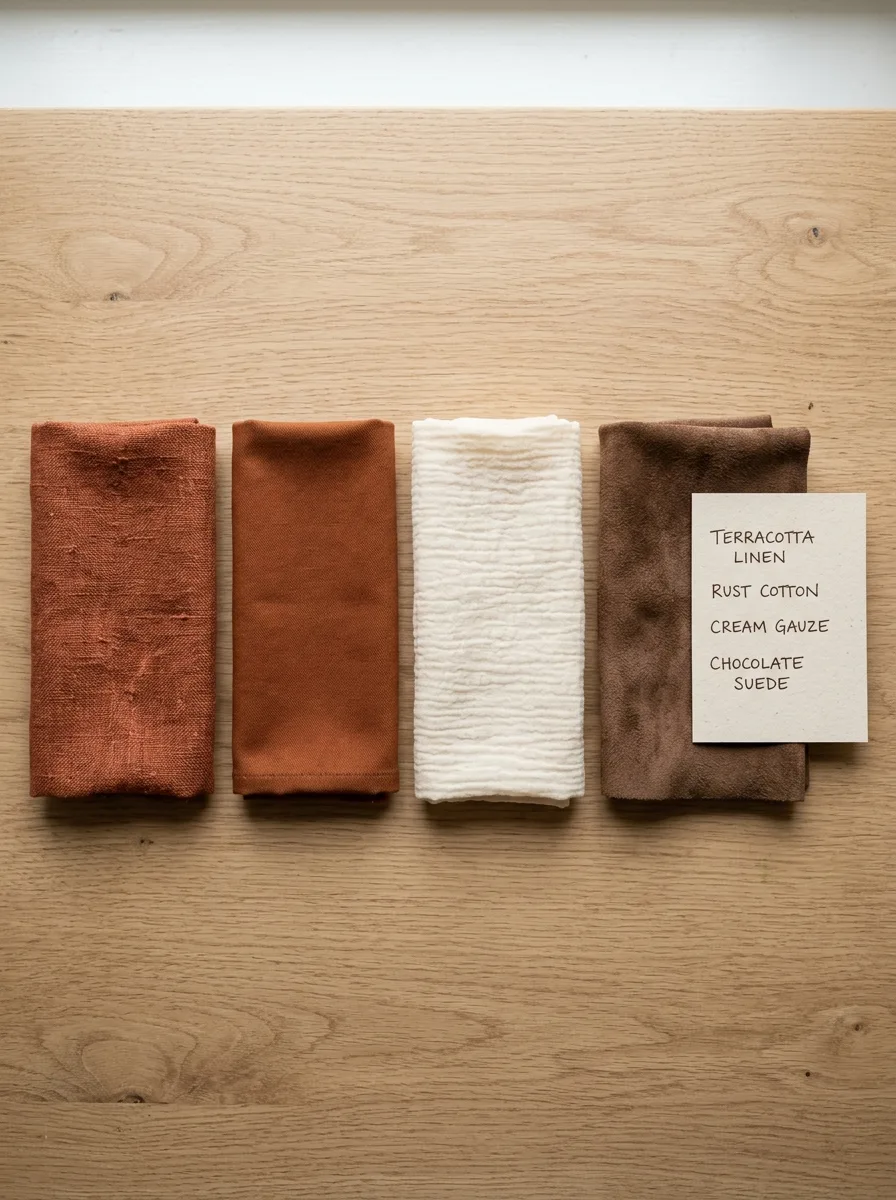
Prioritize natural fibers as your backbone — cotton, linen, suede, wool — because they age well, drape the way the aesthetic depends on, and actually get softer and more lived-in over time, which fast fashion polyester blends never do. Treat printed synthetic “boho” pieces as occasional low-cost experiments rather than the core of the wardrobe; they photograph fine but rarely hold up to regular wear or washing. For a deeper look at what separates a considered bohemian look from an overdone one, what boho chic actually means is worth reading before you start buying prints in bulk.
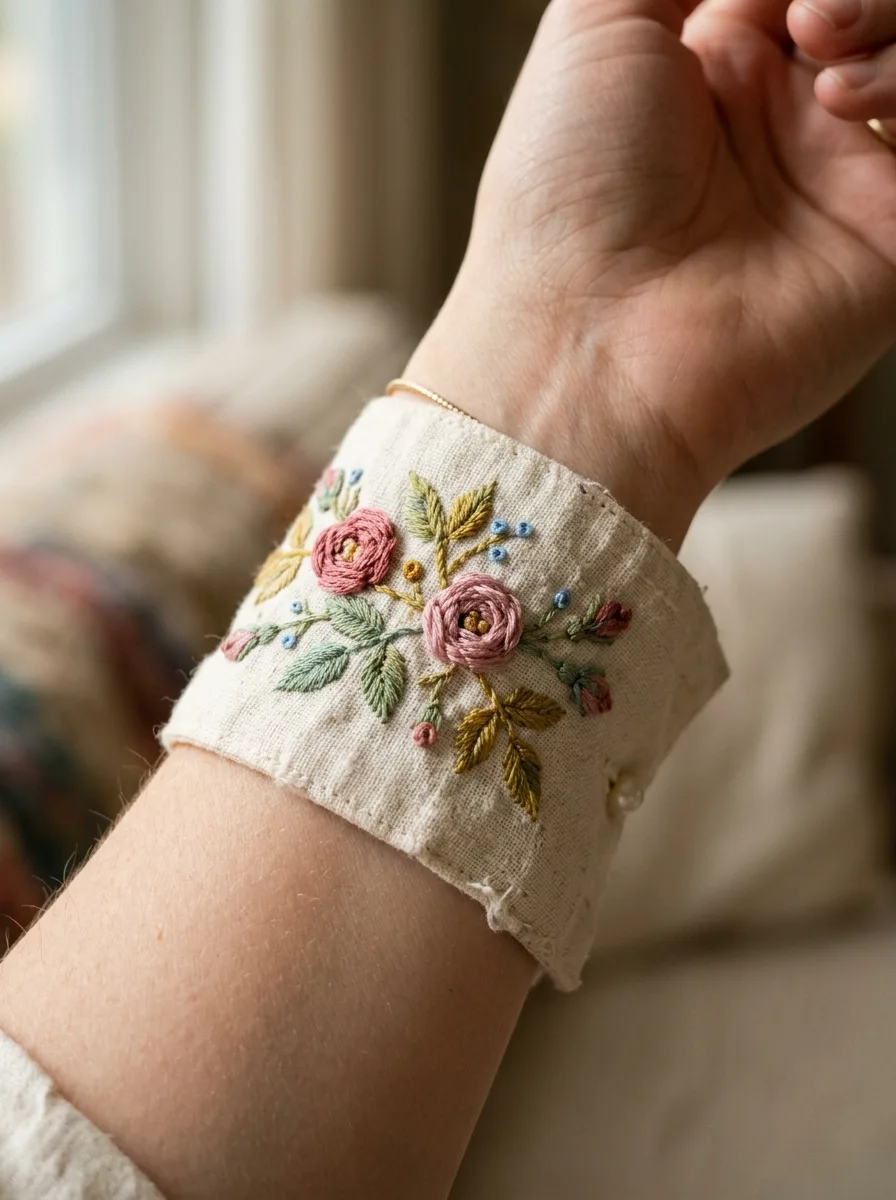
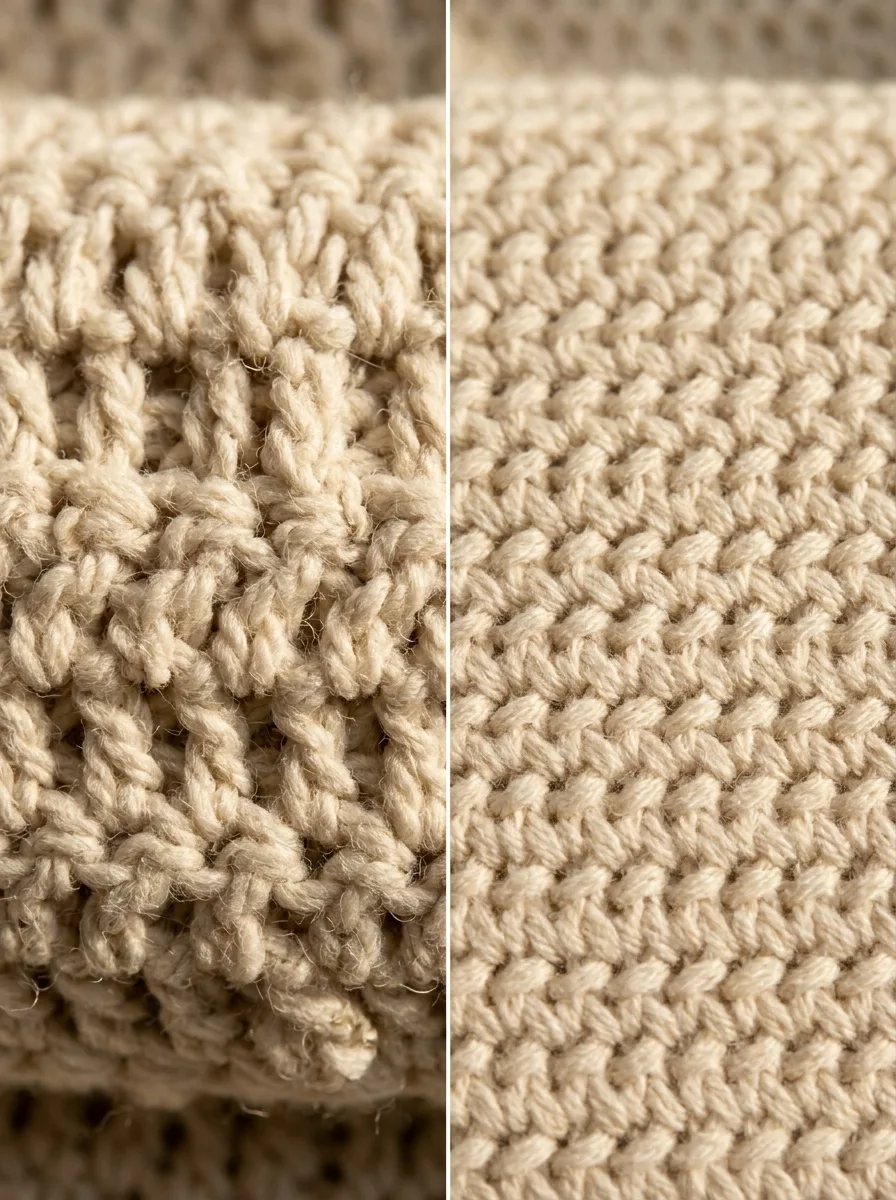
Crochet and embroidered pieces vary enormously in quality, and it’s worth learning to spot the difference before you buy. Hand-finished crochet has slightly irregular stitching and real depth to the pattern; machine-made “crochet-look” knits are flatter and more uniform, and tend to snag faster. Check the care label too — genuine embroidery on natural fiber typically asks for hand-wash or delicate cycle, while a printed imitation of embroidery (common in fast fashion) machine-washes fine because there’s no actual thread work to damage. Neither is wrong to buy, but knowing which one you’re getting helps you decide where it belongs in the wardrobe: the real thing as a longer-term piece, the printed version as a lower-stakes way to test whether you like a silhouette before investing more.
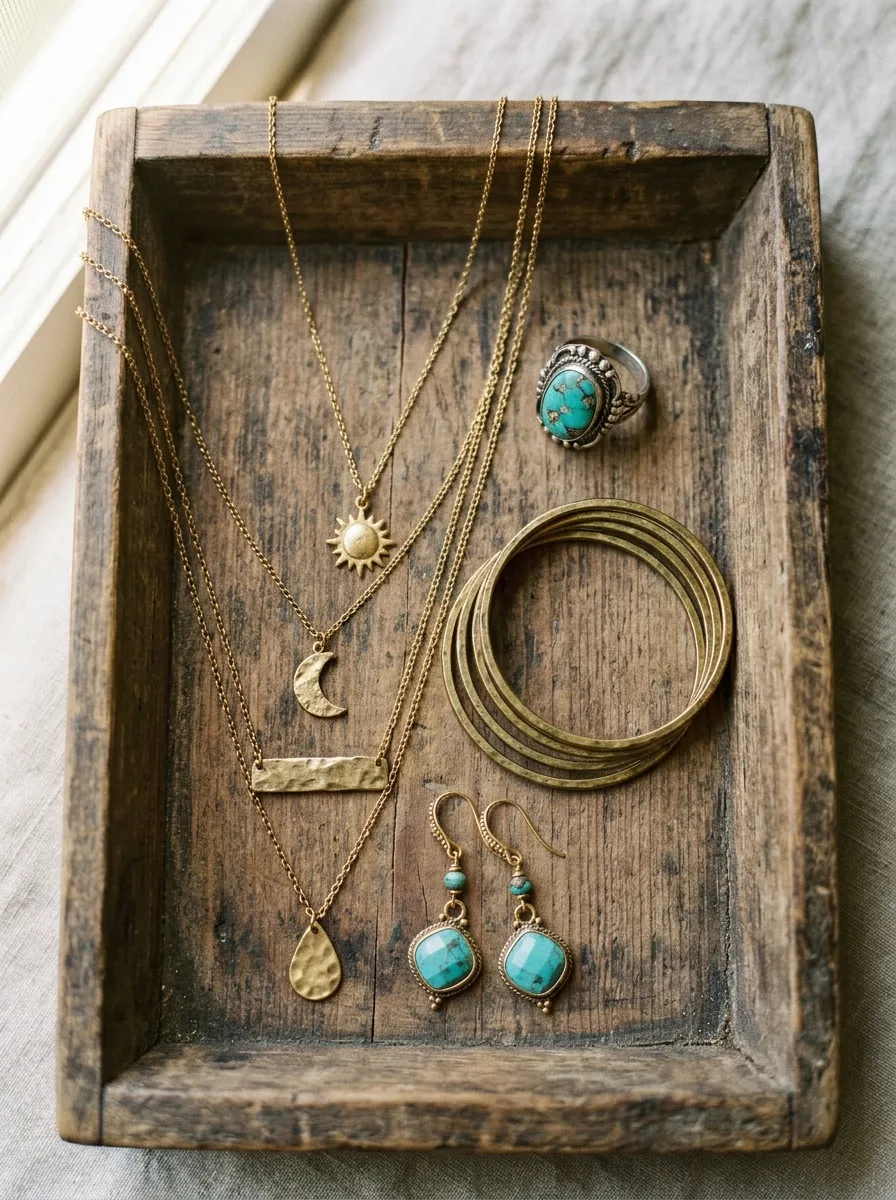
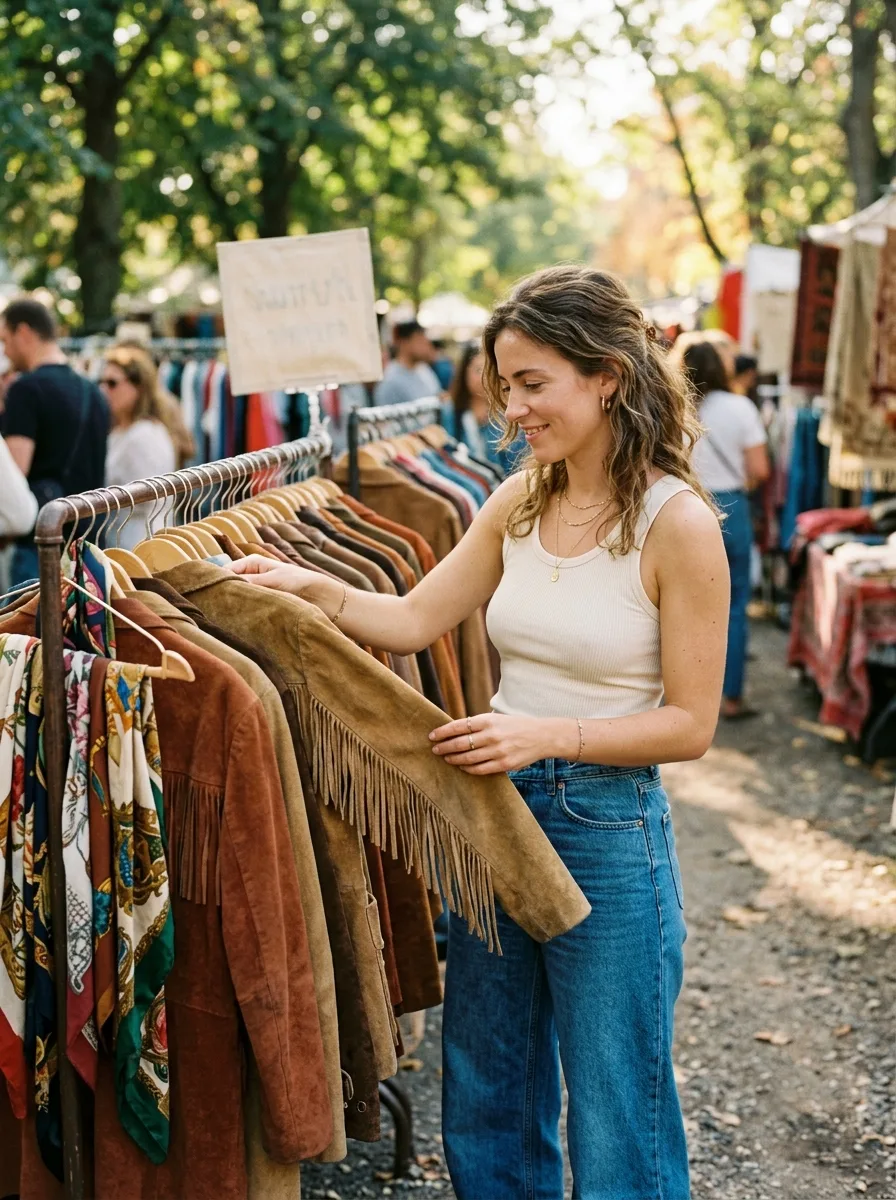
Thrift these: denim and suede jackets, scarves, statement and vintage jewelry, printed midi skirts. Secondhand shops are consistently overflowing with genuinely well-made vintage boho pieces from the ’70s revival era and the 2000s boho-chic wave — this is where you’ll find better quality for less money than almost any new retail option.
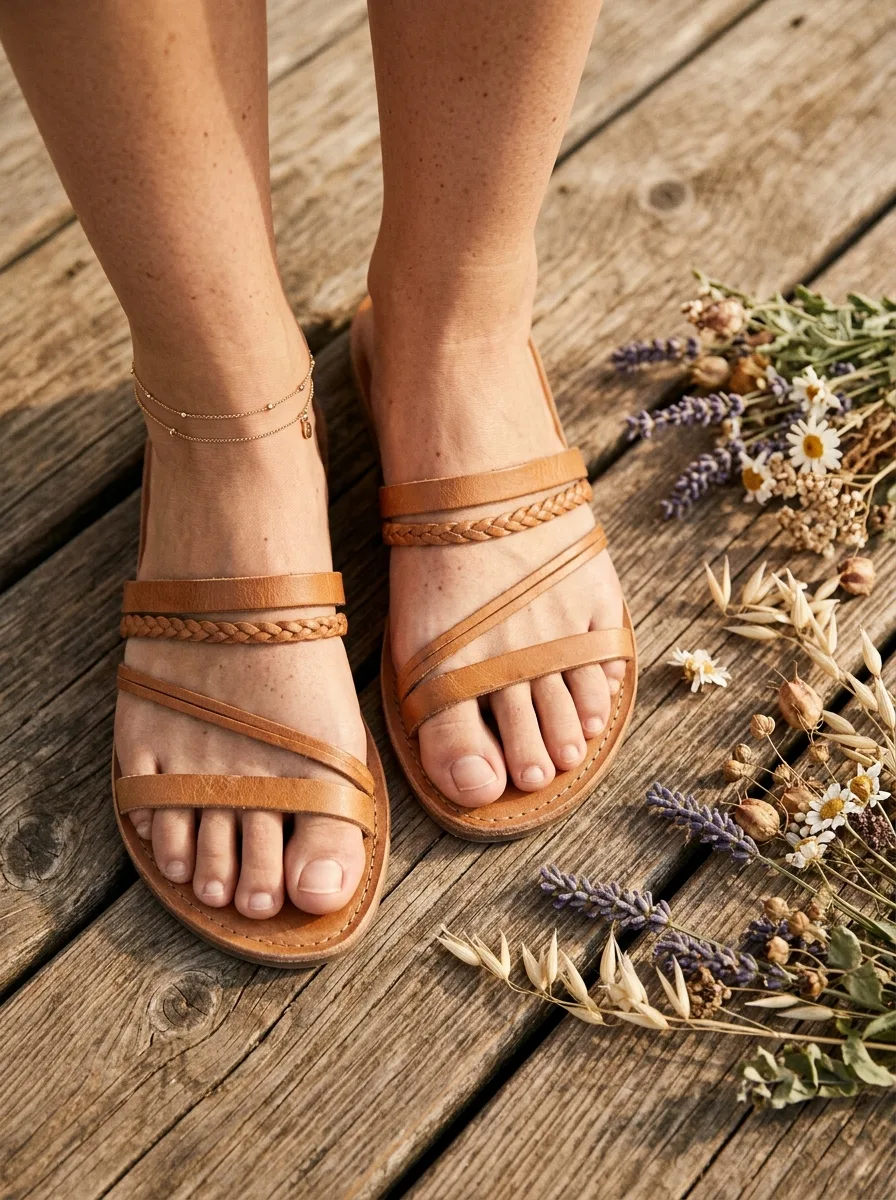
Buy new: base layers worn against skin often, like tanks and slips, plus your primary pair of well-fitting trousers and your main pair of leather sandals or boots. Fit and comfort matter most for the pieces you’ll actually wear the most, and secondhand sizing is the least reliable for exactly those categories.
Budgeting for this realistically helps avoid both overspending and the trap of buying everything cheap at once. A reasonable split: expect to spend more on the two or three pieces worn against your skin weekly (a good tank or slip, well-fitting trousers) and less on statement pieces you’ll wear less often. As a rough range, a solid foundation piece like a linen maxi skirt or wide-leg trousers typically runs somewhere in the $40-$90 range new from mid-range retailers, while the same category thrifted often lands under $20. Suede jackets are the biggest cost swing — $150+ new, frequently $20-$40 secondhand in good condition, which is exactly why they top the thrift list above.
Spread the twelve-piece capsule over six to eight weeks rather than buying it all in one haul. Wearing the foundation pieces for a few weeks first tells you which category you’re actually missing — more layers, more shoes, more jewelry — instead of guessing from a generic list.
Natural fibers reward a little extra care, and it’s worth building the habit early since these pieces are meant to last years, not one season. Linen and cotton gauze both do best air-dried rather than machine-dried on high heat, which breaks down the fibers faster and can shrink a wide-leg trouser out of its intended fit. Suede should never go near water at all — a suede brush for surface dirt and a specialty cleaner for real stains is worth the small investment compared to replacing a jacket every year or two. Store embroidered and crocheted pieces folded rather than hung where possible, since delicate stitching can stretch or distort under its own weight over months on a hanger. None of this is complicated, but it’s the difference between a wardrobe that actually gets better with age and one that needs replacing every summer.
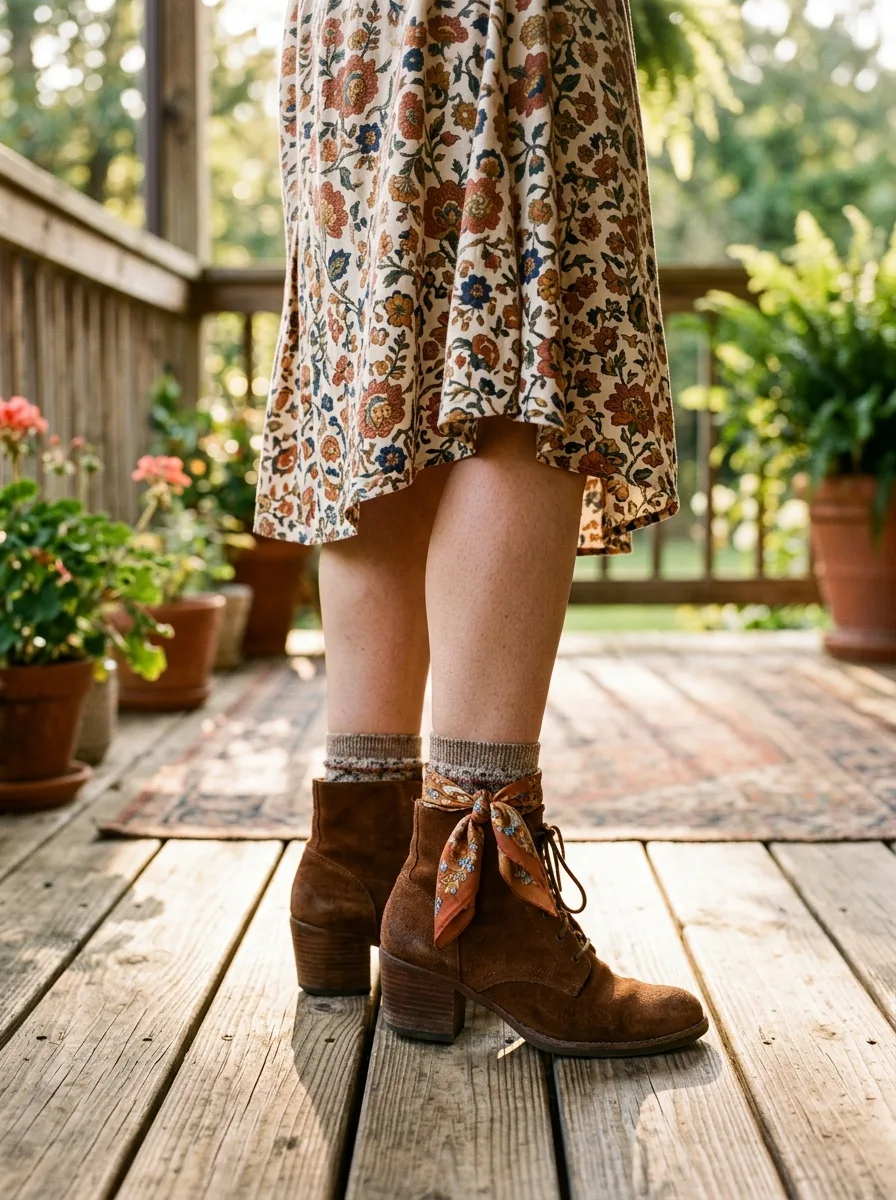
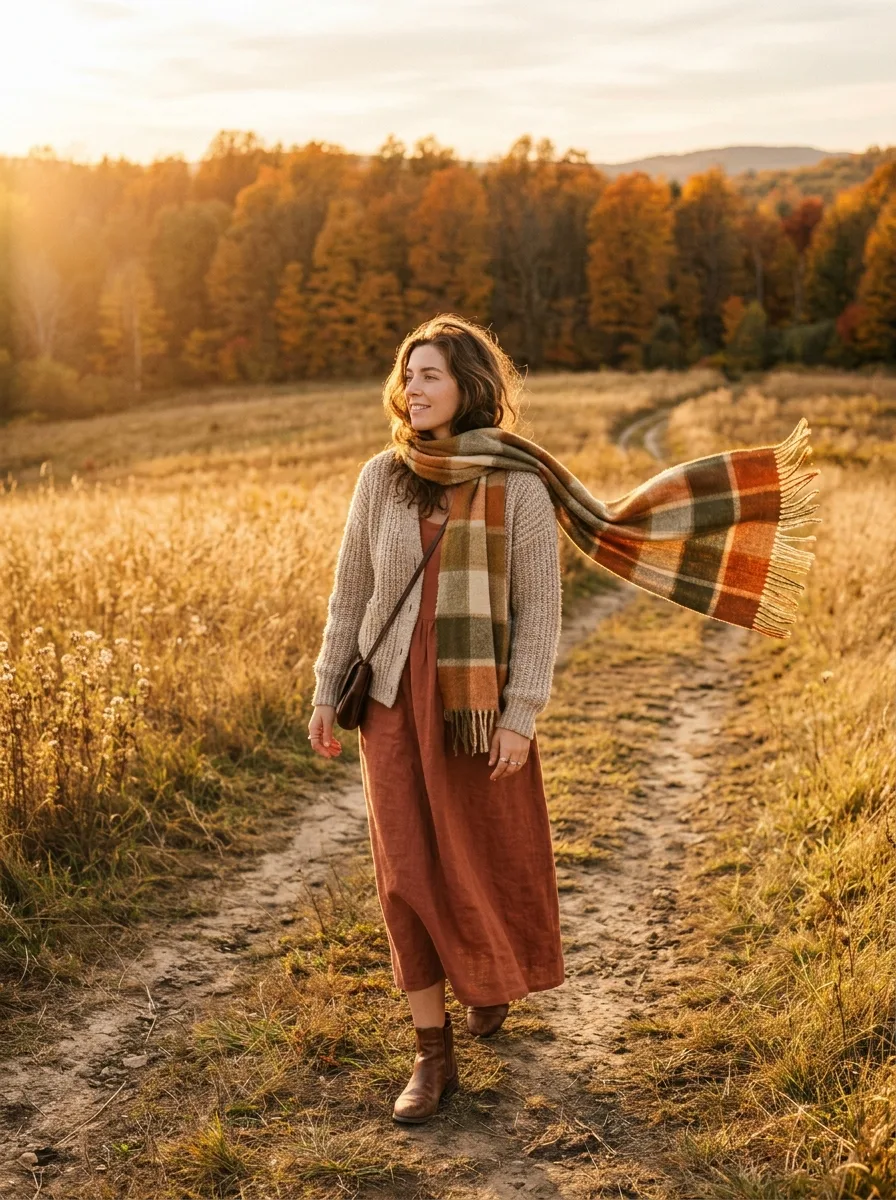
In warm months, the wardrobe simplifies down to single flowy layers in breathable fabric — for a full seasonal breakdown, see our guide to boho summer outfits. In cooler months, the same foundation pieces stay in rotation but gain company: chunky knit cardigans over dresses, suede jackets over blouses, opaque tights under skirts, ankle boots instead of sandals, and a scarf wrapped for warmth doing double duty as a styling piece.
The capsule doesn’t need to double in size for winter. It mostly needs three or four cold-weather layering pieces added to the same base wardrobe you already built.
The most common beginner mistake is buying five heavily “boho”-branded fast fashion pieces all at once — all-over patchwork prints, mirror-work embellishment, tassels on every hem — and wearing several of them together in one outfit. Individually they’re fine; stacked, they read costume rather than styled.
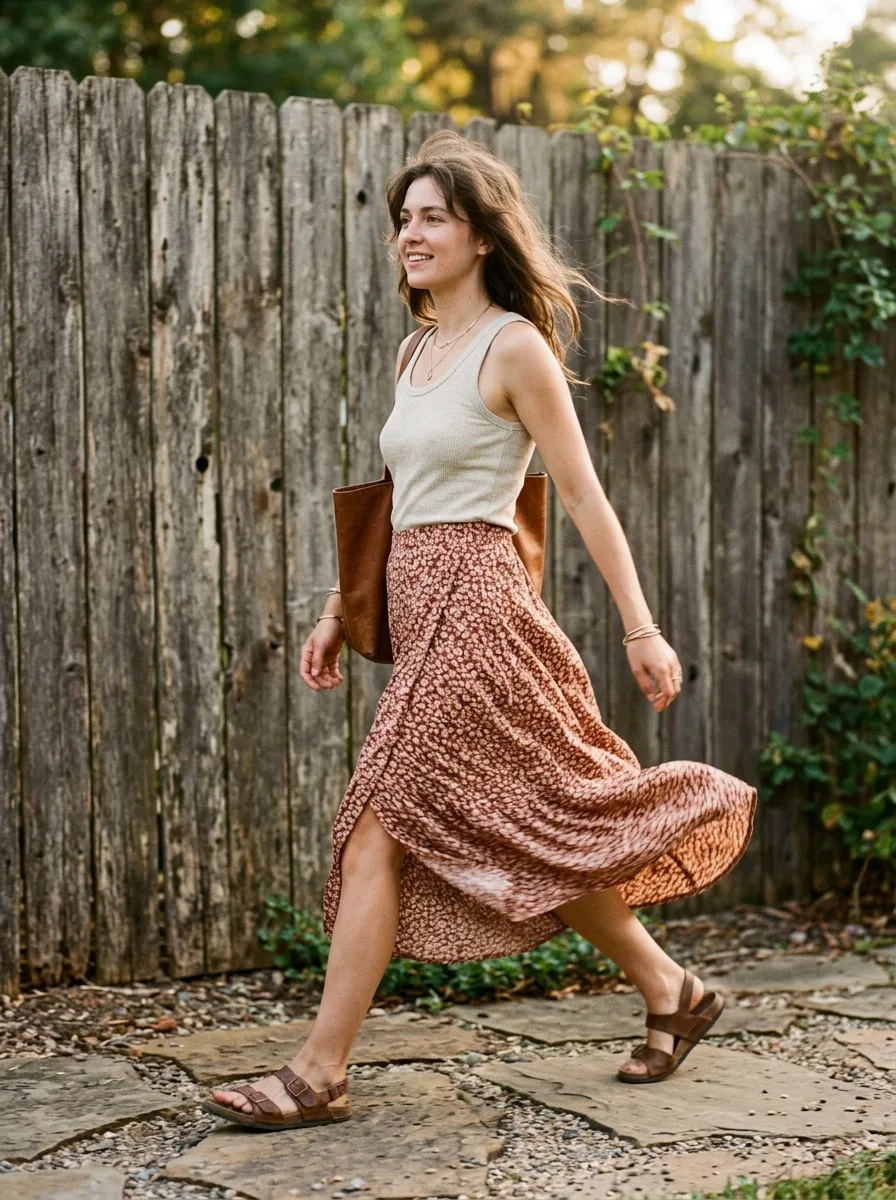
The fix is the same principle that runs through this whole guide: buy fewer, more textural, mostly solid-colored pieces, and add exactly one printed piece per outfit, deliberately. A wardrobe built slowly around real fabric and restraint will look more genuinely bohemian than one built quickly around five “boho” tagged pieces from the same fast fashion drop.
Buy your four foundation pieces first, live in them for a few weeks, and let what’s actually missing tell you what to add next — that’s a far better guide than any single shopping list, including this one.
Budget six to eight weeks if you're spacing purchases out deliberately rather than buying everything in one haul, which is also the better financial approach. Start with the four foundation pieces, wear them for two to three weeks, and let the gaps you actually notice, like needing more layers or more shoes, tell you what's next instead of guessing from a generic checklist.
Mostly, yes — denim and suede jackets, scarves, statement jewelry, and printed midi skirts are consistently well-stocked secondhand, often genuinely from the '70s and 2000s eras that define the aesthetic. The exception is base layers worn against skin daily, like tanks and slips, plus your primary trousers or sandals, where fit matters enough that buying new is usually worth it.
No — texture is actually the more forgiving entry point than print. Crochet, suede, macrame, and embroidered trim all mix with plain-colored pieces you probably already own, without the color-matching effort that pattern mixing requires. Save prints for once your foundation pieces are in place and you know your palette; a single ditsy-print midi skirt is plenty to start.
If it's a piece you'll wear often, yes — hand-finished crochet holds its shape and doesn't snag the way a machine-made 'crochet-look' knit does, and it tends to improve with age rather than pilling. If you're not sure you'll love the silhouette yet, buy the cheaper printed or machine-made version first as a low-stakes test, then upgrade to the real thing once you know it's a keeper.
Treat the capsule as building blocks rather than pre-made outfits — pair one loose piece with one fitted piece, like a loose blouse with fitted jeans rather than two loose pieces together, and rotate which piece carries color or texture so you're not repeating the same silhouette twice in a row. For ready-made combinations to start from while you get a feel for it, our boho outfit ideas guide has five complete formulas built from pieces like these.
Boho Outfit Ideas: Effortless Bohemian Style →Yes, and the same core instincts — natural fiber, warm earth tones, texture over pattern, restraint over excess — carry directly from wardrobe to interiors. If you're drawn to this approach in your closet, applying it to a living space follows nearly identical rules: fewer, better textural pieces instead of maximalist clutter.
Boho Living Room Ideas →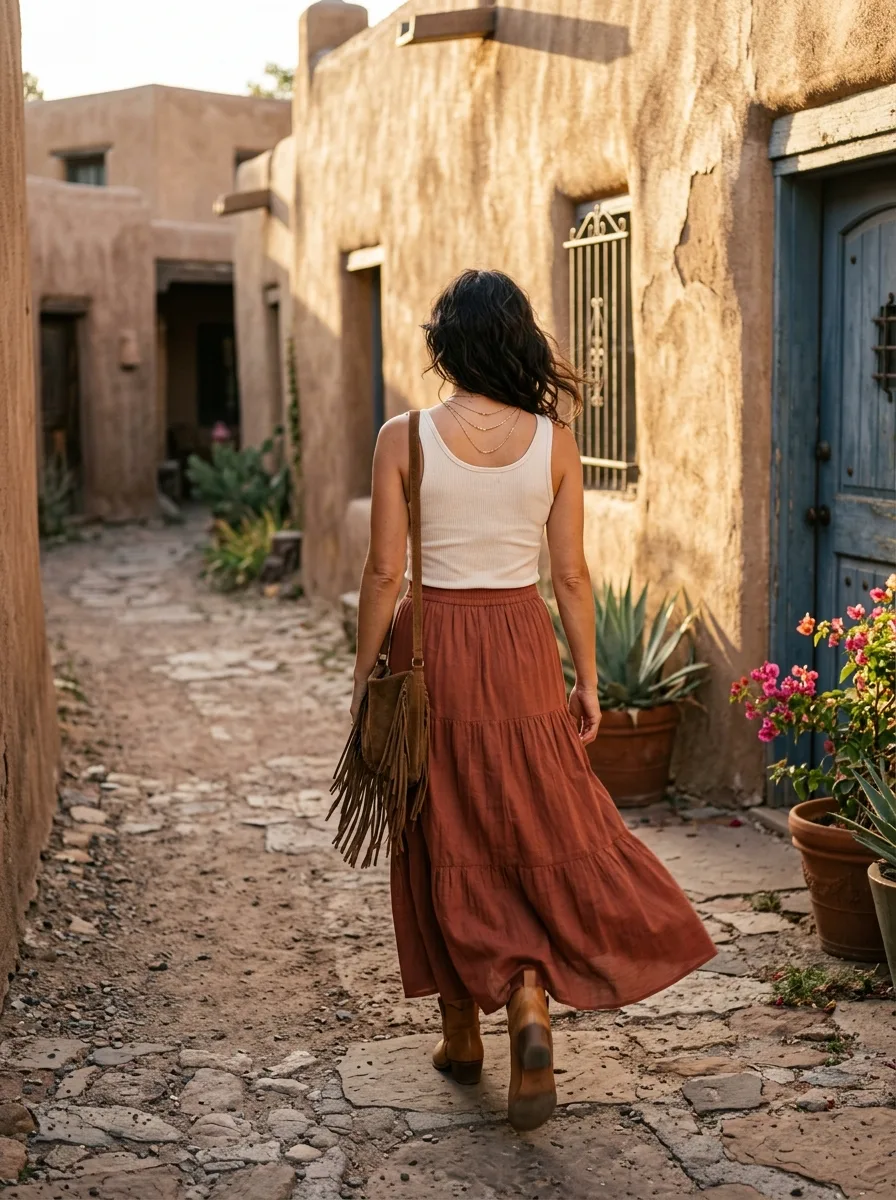 Everyday Boho
Outfits & Style
A practical guide to building effortless everyday boho outfits with pieces you likely already own.
 Seasonal Looks
Outfits & Style
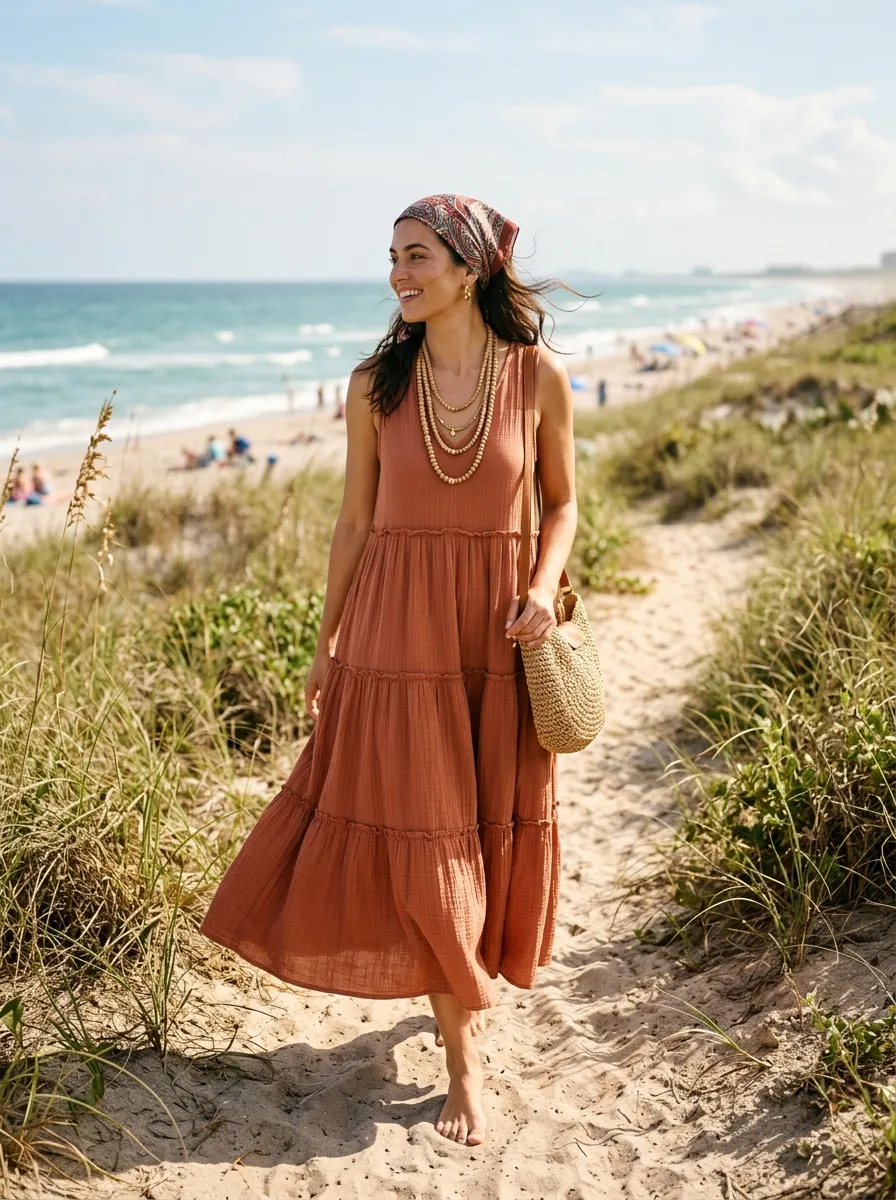
Breezy, sun-ready boho outfit ideas for summer days, travel, and everything in between.
 Boho Wedding Style
Outfits & Style
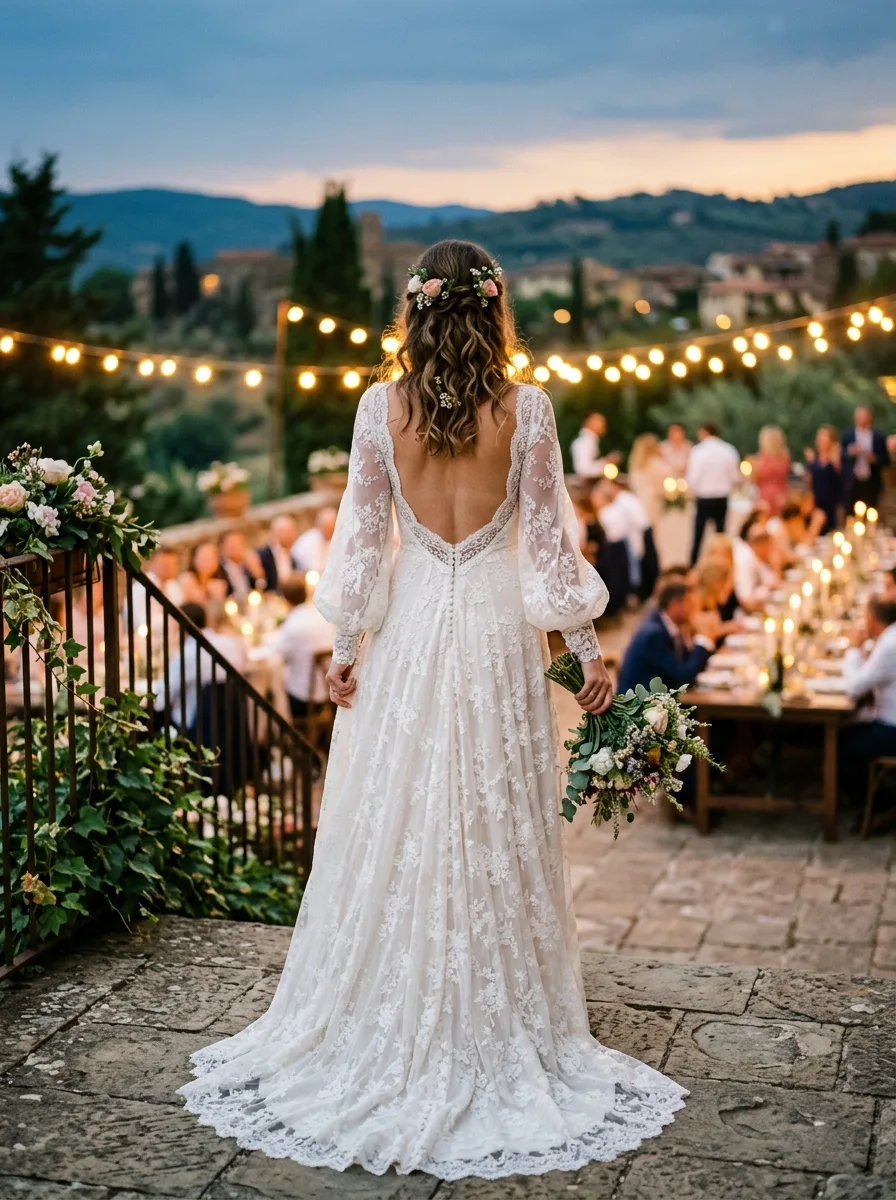
Bohemian wedding dress silhouettes and bridal styling ideas for a romantic, relaxed celebration.