Hairstyles & Beauty · Braids
Boho Braids 101: Styles, Care Tips & Inspiration
Everything to know about boho braids — styles, curly-hair accents, and how to keep them looking fresh.
10 min read
Hairstyles & Beauty · Braids
Everything to know about boho braids — styles, curly-hair accents, and how to keep them looking fresh.
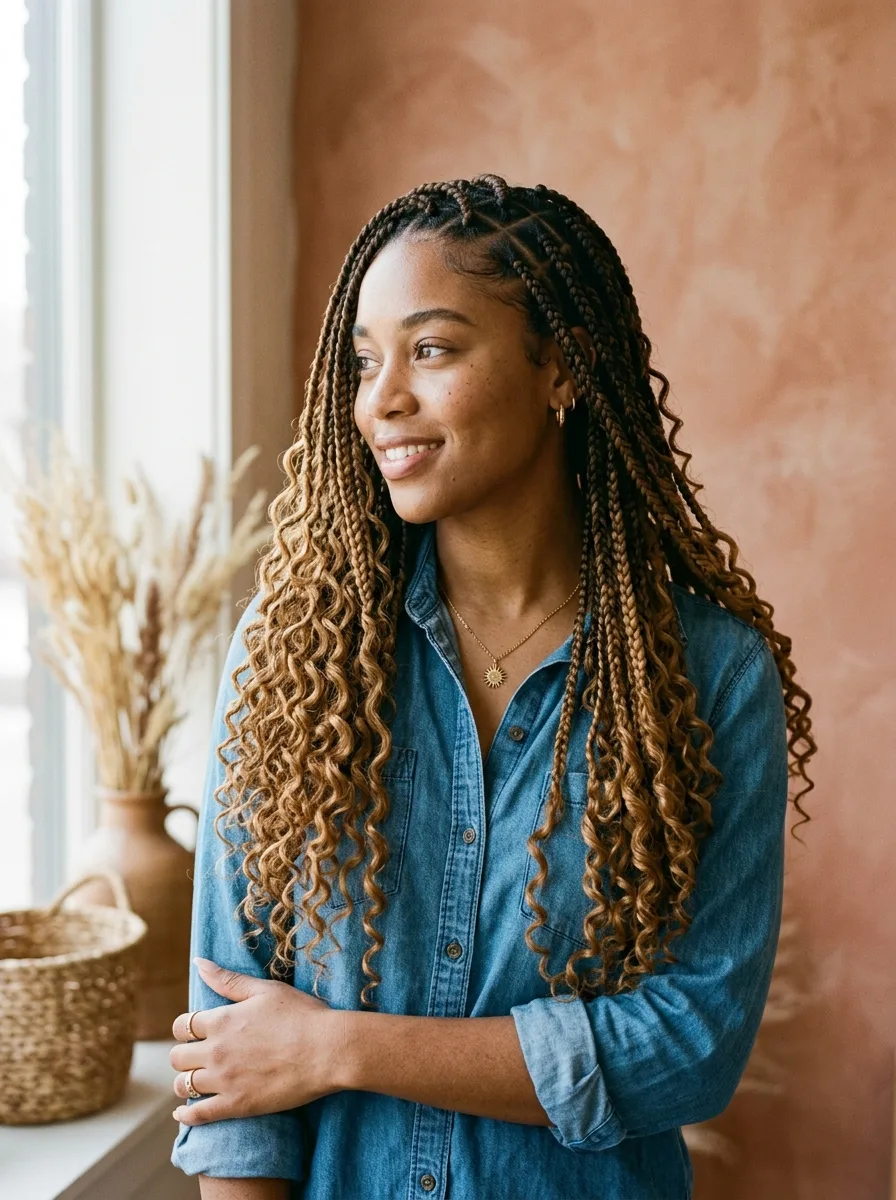
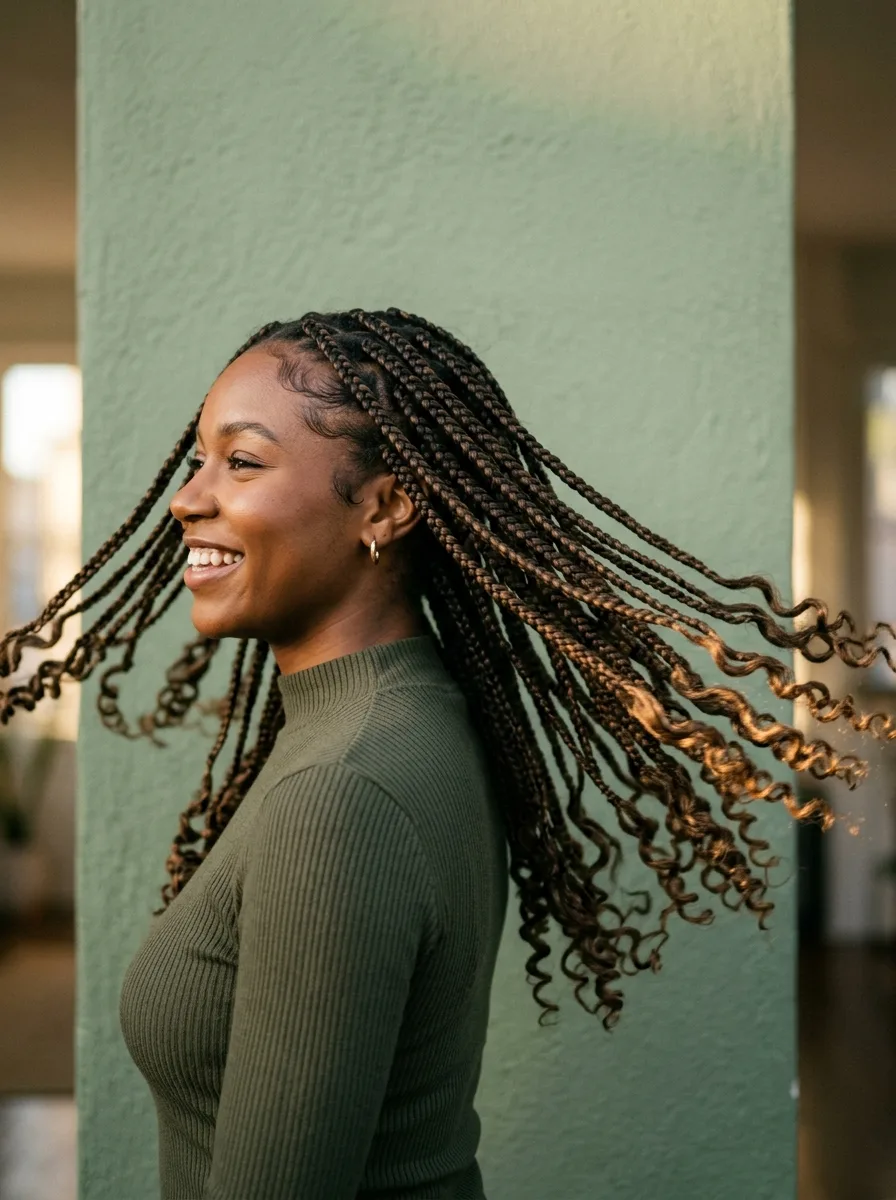
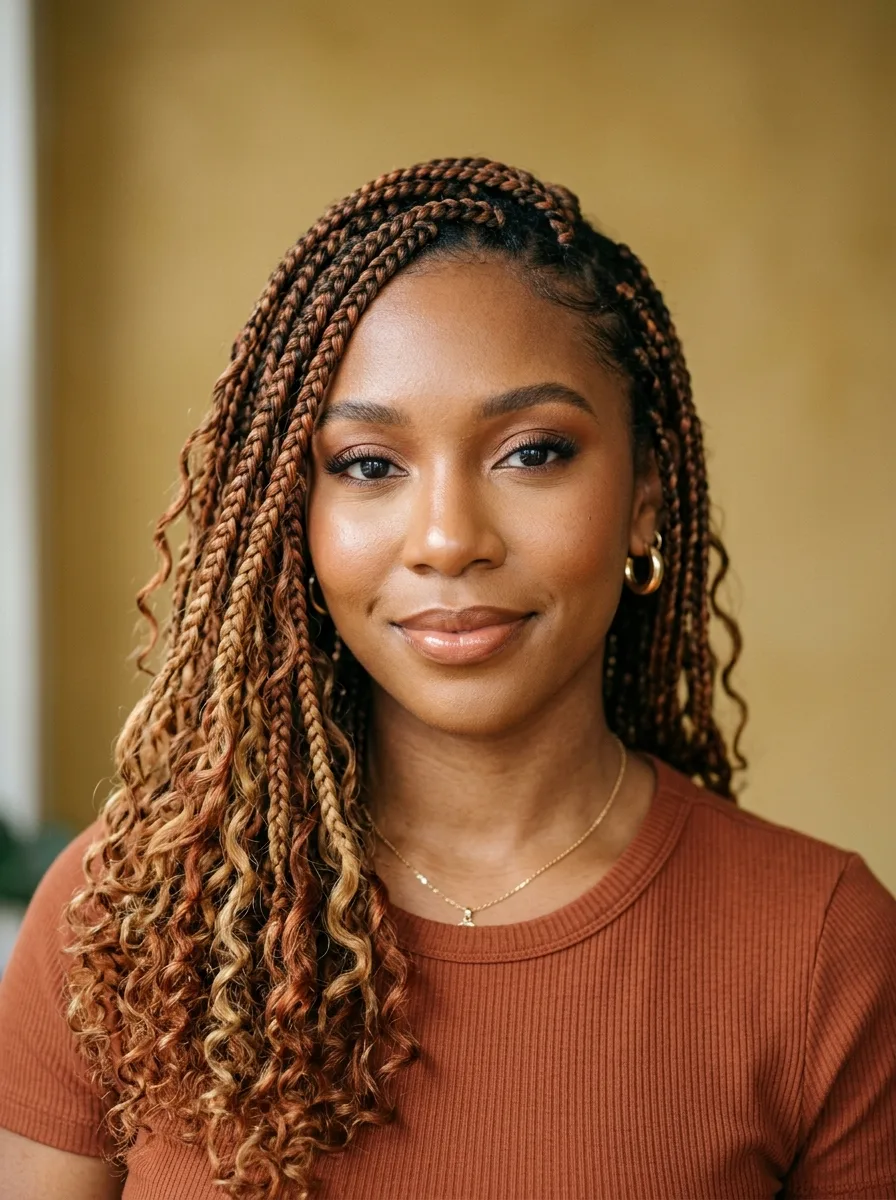
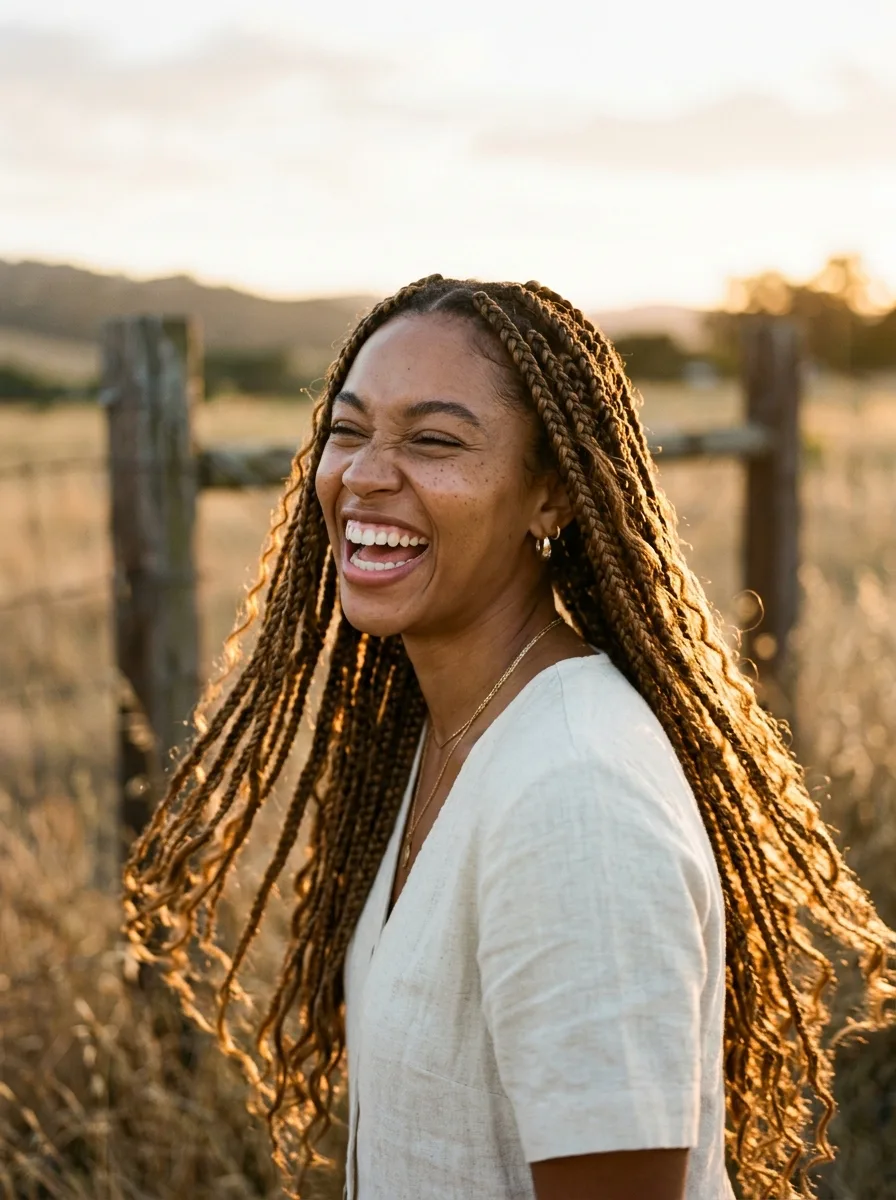
Boho braids get their name from what’s braided in, not just how they’re parted. Where a classic box braid is one clean, uniform strand of synthetic hair from root to tip, a boho braid leaves natural-textured curls or waves loose along the length or at the ends, plus a few face-framing pieces left out entirely. The result reads more like undone, lived-in hair than a rigid install — soft instead of sleek. If you’re weighing this style for the first time, here’s what actually goes into it: the hair types braiders use, the sizing decisions that change how long it takes, appointment logistics, and the maintenance schedule that keeps it looking intentional instead of fuzzy by week three.
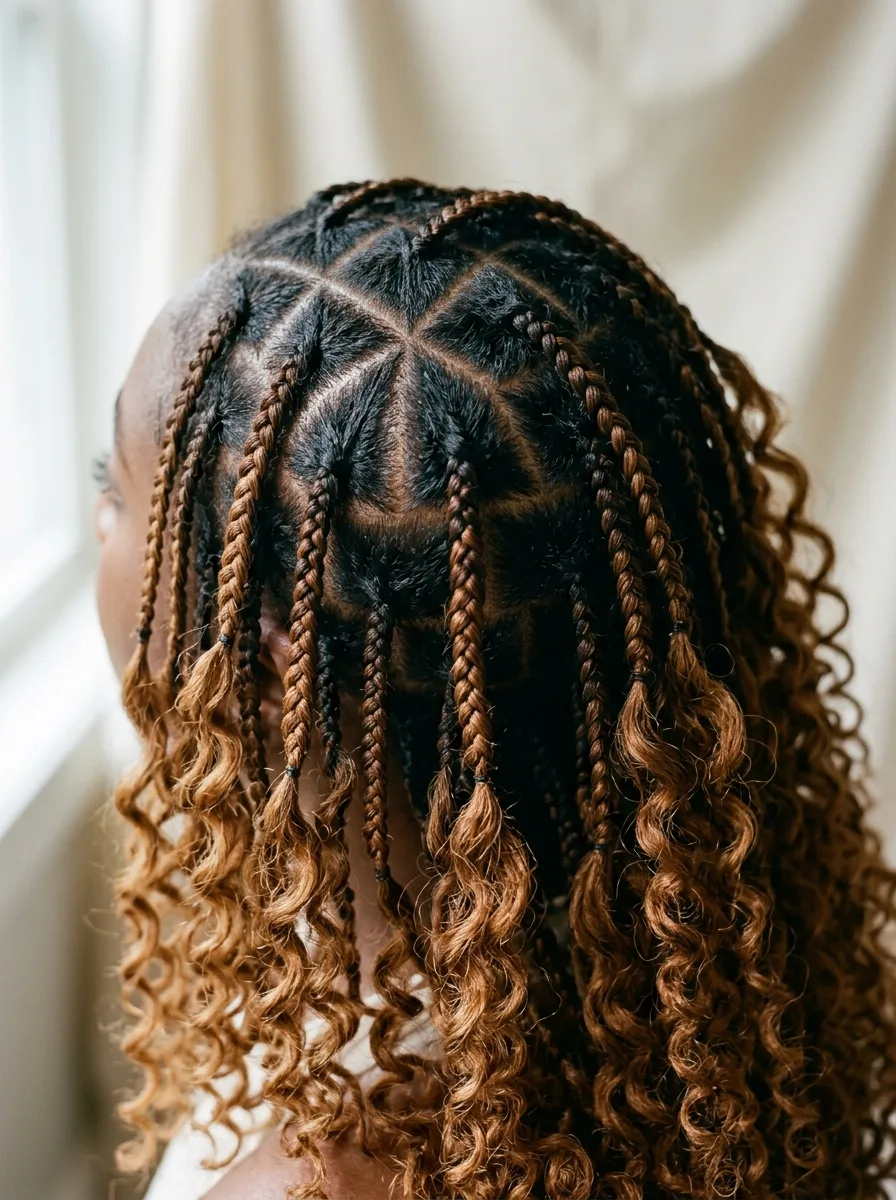
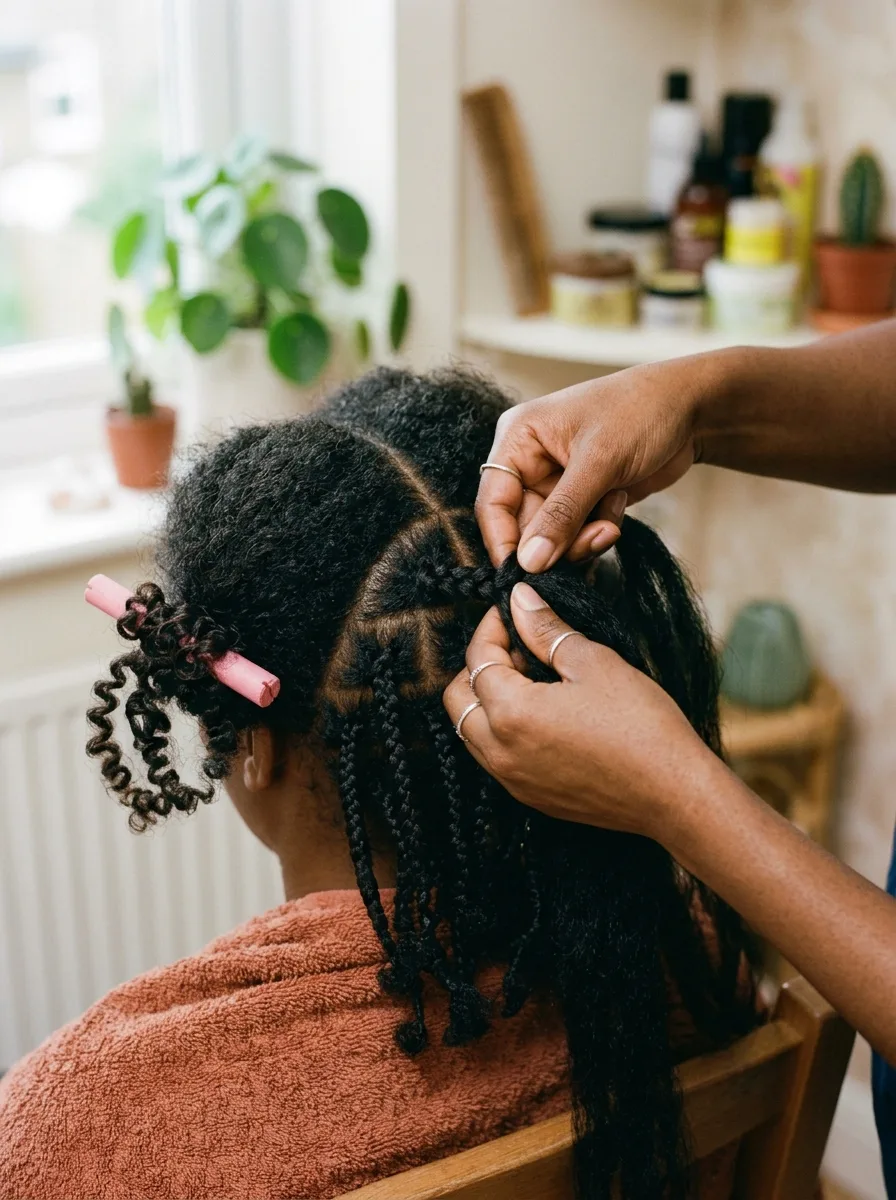
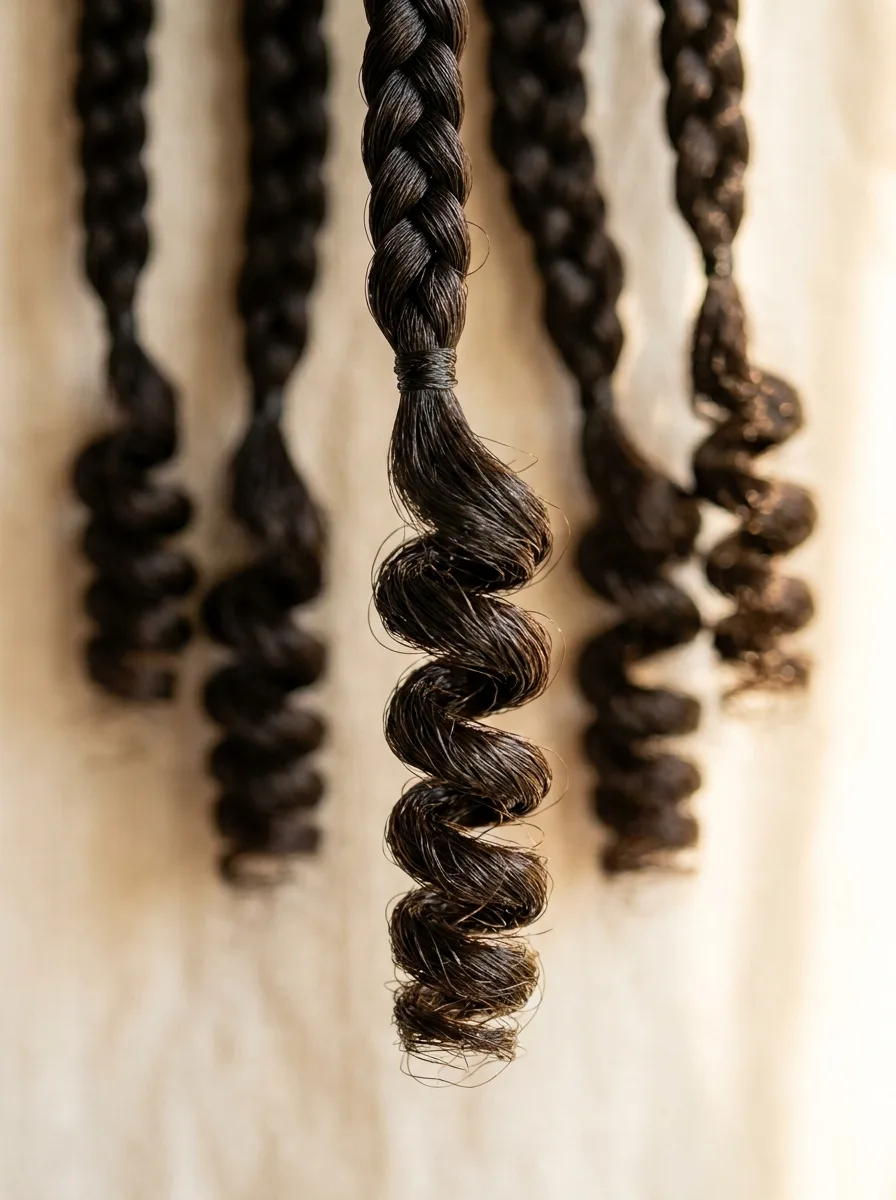
The defining feature is texture contrast. A braider sections your hair as usual, but instead of braiding a single smooth strand all the way down, they knot in pieces of curly or wavy hair — human hair, Freetress Water Wave, or a Marley-textured curl pack — either woven through the middle of the braid or left hanging loose from partway down. Some styles curl the whole braid at the end with a perm rod and hot water instead of adding separate curly pieces; others do both. Either way, the point is movement: hair that catches light and moves differently than a flat, uniform braid.
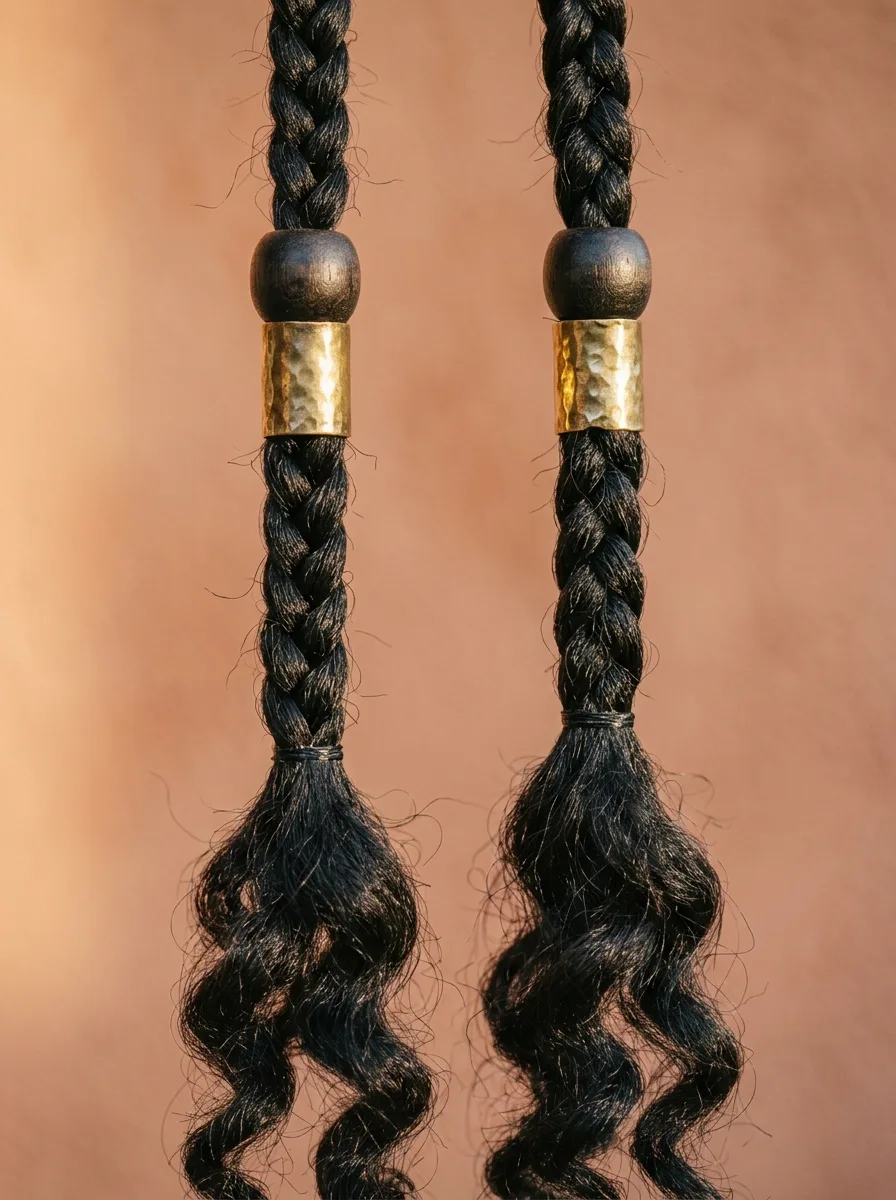
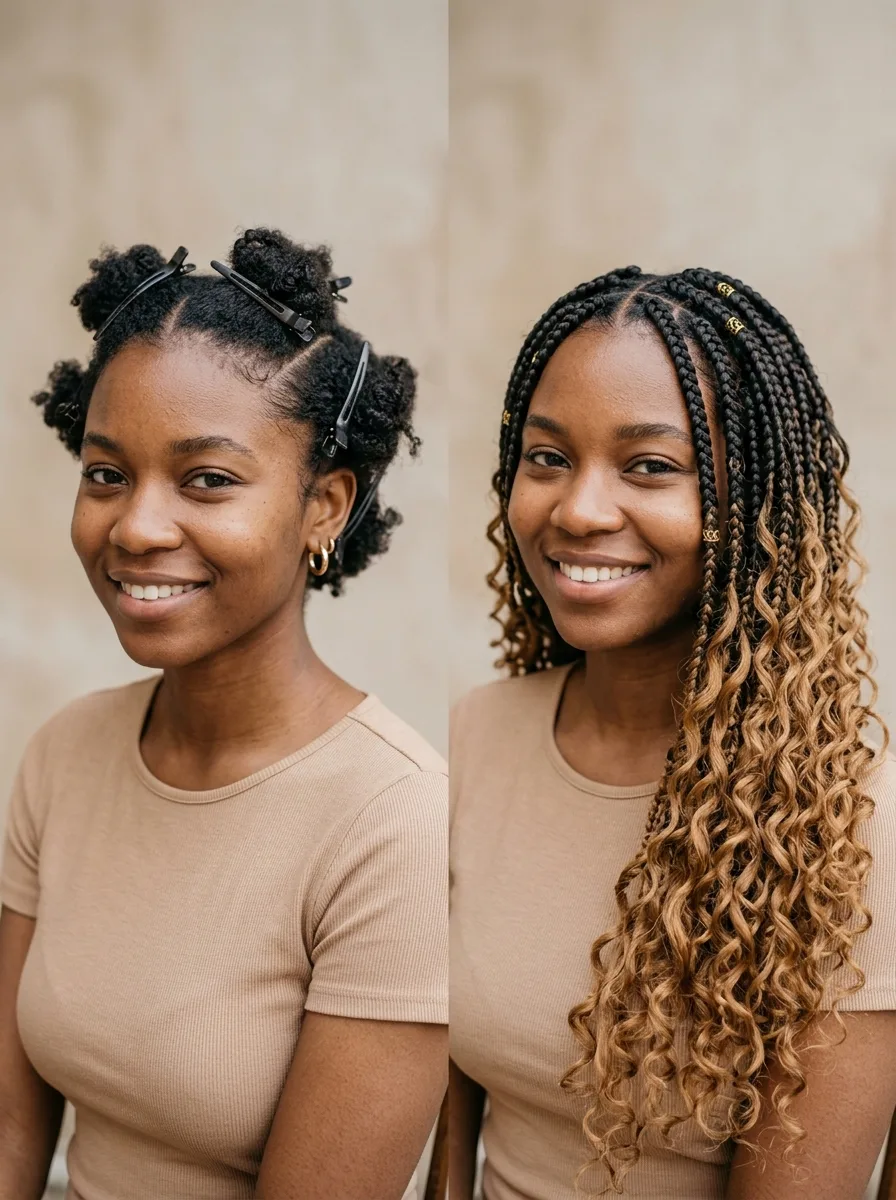
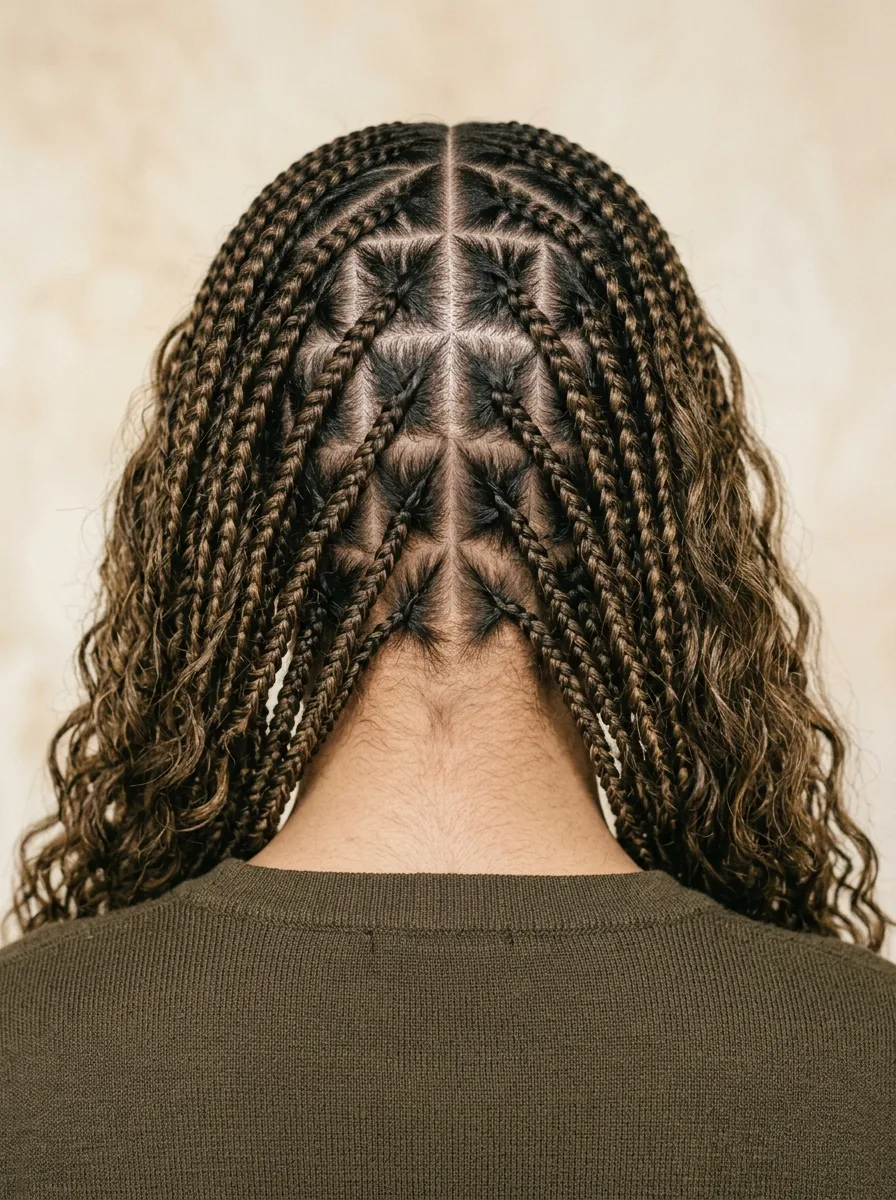
Parting matters too. Boho installs usually skip the rigid, grid-perfect parting of classic box braids in favor of a deeper side part or center part, with two to four face-framing pieces left completely unbraided to soften the hairline. Accessories lean natural — wood or horn beads, brass cuffs, leather wraps, small charms — rather than the bright plastic beads associated with kids’ braid styles.
Hair choice changes the look and the price. Kanekalon is affordable, holds its shape well, and is the default for the braided sections, but it can look glossy and synthetic up close. Pre-stretched Kanekalon (sold already de-frizzed and straightened) is easier to work with and less prone to matting. Human hair or high-end synthetic curl packs cost significantly more but blend better with natural texture and can be re-curled with hot water after a few weeks of wear.
Boho covers a range of specific styles rather than one look.
The feed-in method (hair is added gradually instead of starting with a knot at the root) paired with curly ends. This is the most requested variation right now because it puts far less tension on the scalp than traditional knotted braids. We cover the full install and care process in our boho knotless braids guide.
A cornrowed center section, often with gold rings threaded through, flowing into braids or twists along the sides and back.
Thicker, fewer braids, sometimes wrapped with a strand of curly hair spiraled around the braid itself for a more dramatic, textured finish.
Larger sections mean fewer total braids, which cuts install time down to 3-4 hours and puts less overall weight on any single braid, though the tradeoff is a chunkier, more casual look.
Chin-to-shoulder length versions that trade some styling versatility for a lighter, lower-maintenance install. See our guide to short boho braids by face shape if you’re working with shorter natural hair or just want less bulk.
A good consultation avoids a lot of back-and-forth mid-install. Bring two or three reference photos, not just one — braiders read parting pattern, braid size, and curl placement from images better than from a verbal description.
Be specific about:
Expect to pay more for smaller braids, added length, and human-hair pieces — pricing varies a lot by region and salon, so ask for a quote based on your specific density and desired size rather than a generic braid-style price list. Book with buffer time; a detailed medium or small install genuinely can run past six hours, and rushing the last hour is where tension and uneven parting creep in.
Two braiding techniques come up constantly and it’s worth knowing the difference. Underhand braiding crosses each strand underneath the others, which naturally produces a slightly raised, more textured braid — this is the traditional technique and what most experienced braiders default to. Overhand braiding crosses strands on top, giving a flatter, smoother finish that some stylists prefer for sleeker boho looks. Neither is objectively better; it’s a style choice, though underhand tends to hold shape slightly longer on second-day hair.
Pre-stretched hair is worth requesting by name if your braider doesn’t use it by default. It eliminates the extra step of stretching hair by hand mid-braid, lays flatter against natural hair, and produces noticeably less frizz in the first two weeks.
Tension is the thing to actually watch during your appointment, not just after. Braids should feel snug, not sharp or throbbing. A dull ache that fades within an hour is normal; a burning or stinging sensation right at the root, especially along the hairline, is not — that’s the early sign of traction alopecia, and it’s worth asking your braider to loosen that section immediately rather than waiting to see if it eases.
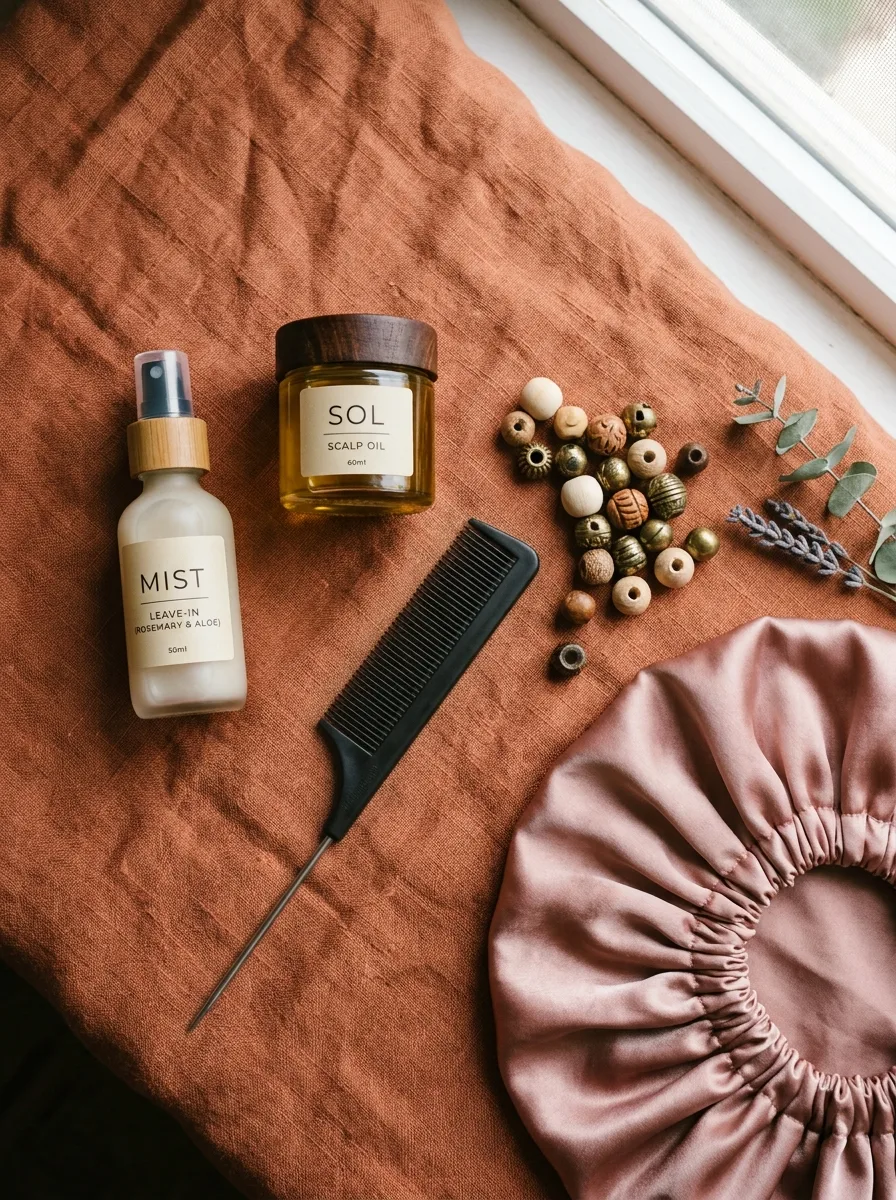
Moisturize the scalp, not the length. Apply a light oil (jojoba, grapeseed, or a braid spray with rosemary or tea tree) directly to the root every 2-3 days with a nozzle applicator bottle or the tip of a rat-tail comb parted through sections. Oiling the curly lengths too heavily just weighs the curl pattern down and speeds up frizz.
Sleep in a satin or silk bonnet, or swap your cotton pillowcase for a satin one — cotton pulls moisture out of both your scalp and the loose curly pieces overnight and is the single biggest cause of premature frizz.
To refresh curly ends between washes, mist with a water and leave-in conditioner mix, roughly three parts water to one part leave-in in a spray bottle, and scrunch gently upward — never rub or twist, which unravels the curl pattern.
When you do wash, dilute shampoo in water and apply it directly to the scalp with an applicator bottle, working it in with your fingertips rather than scrubbing the braided lengths. Rinse thoroughly and let braids air-dry completely, or finish under a hooded dryer — braids that go to bed even slightly damp at the root develop a musty smell within a day or two, especially in humid climates.
Expect a clean 4-6 weeks from a well-installed set before new growth at the root makes the parting look bulky and the curl accents start slipping out of place. Scalp itchiness usually shows up around week two or three — that’s product buildup and natural oil, not a hygiene failure, and it’s the cue to do a scalp-focused wash rather than waiting it out.
When it’s time to take the style down, soak the ends section by section in a diluted conditioner to soften the hair before unraveling — trying to unbraid dry hair pulls and stresses the strands underneath unnecessarily. Work from the ends upward with a wide-tooth comb or your fingers, one small section at a time, rather than attacking the whole head at once. Budget real time for takedown; a full head of small or medium boho braids can take 2-4 hours to remove properly.
Give your natural hair a deep-conditioning treatment right after takedown and, if you can, a few days without any tension-based style before the next install. Braids are a protective style, but only if the hair underneath actually gets a chance to recover between sets.
One thing worth asking before you book: how your braider secures the curly accent pieces. Melted or heat-set synthetic ends can feel stiff against your neck for the first few days. A two-minute dunk of the ends in a bowl of near-boiling water, followed by air drying, softens the plastic feel and lets the curls move the way they’re supposed to from day one.
Pricing varies a lot by region and braider, but expect $150-$300 for a Kanekalon-only install in most U.S. markets, climbing to $300-$500 or more once you add human-hair curl accents or size down to small or medium braids. Ask for a quote based on your actual density and desired size rather than a flat braid-style price list.
Done correctly they're protective, not damaging — the risk comes from tension, not the style itself. A dull ache that fades within an hour of install is normal; a burning or stinging feeling right at the hairline is an early sign of traction alopecia and means a section needs to be redone looser. Giving your natural hair a deep-conditioning treatment and a few tension-free days between installs is what actually protects it long-term.
Yes — dilute shampoo in water, apply it straight to the scalp with an applicator bottle, and work it in with your fingertips rather than scrubbing the braided lengths. Rinse thoroughly and dry completely afterward, either air-drying or finishing under a hooded dryer, since braids that go to bed damp at the root develop a musty smell within a day or two.
'Boho' describes the curly, textured accent pieces woven or curled into the braid; 'knotless' describes how the braid starts — fed in gradually instead of knotted at the root. The two aren't competing styles, they stack: boho knotless braids combine the lower-tension feed-in technique with the same curly-ends treatment covered here.
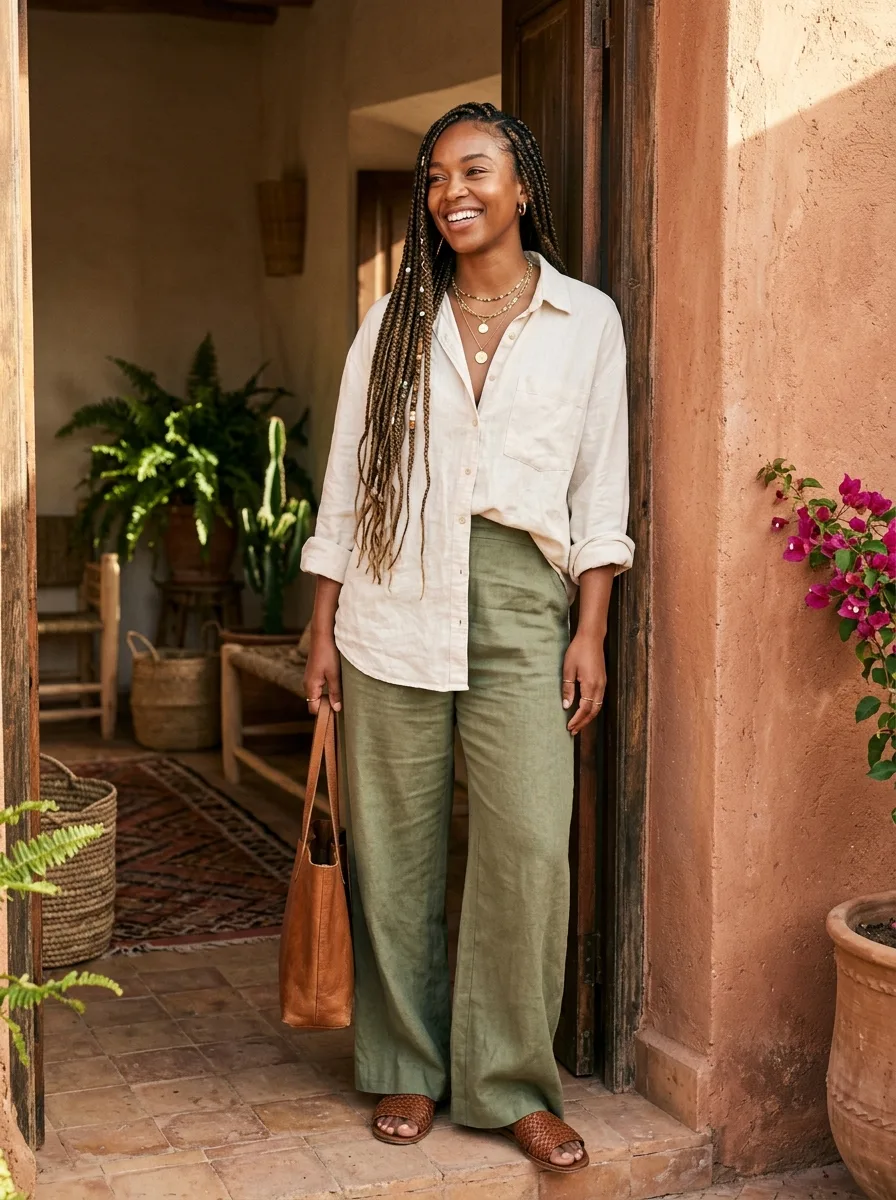
Boho Knotless Braids: The Complete Style Guide →Boho braids pair naturally with the same earthy, relaxed wardrobe the rest of the aesthetic leans on — loose linen, warm neutrals, and simple gold jewelry that doesn't compete with the beads and cuffs already in your hair. Statement earrings work especially well since a braided style pulls hair back from the face and neck.
Boho Outfit Ideas →Jumbo boho braids put the least tension on any single section and are the safer starting point if your hair is fine or thinning, since fewer, thicker braids mean less pulling per follicle. Ask your braider to size up and skip the rigid, grid-perfect part pattern, which shows more scalp on finer hair than a looser, natural-leaning part does.
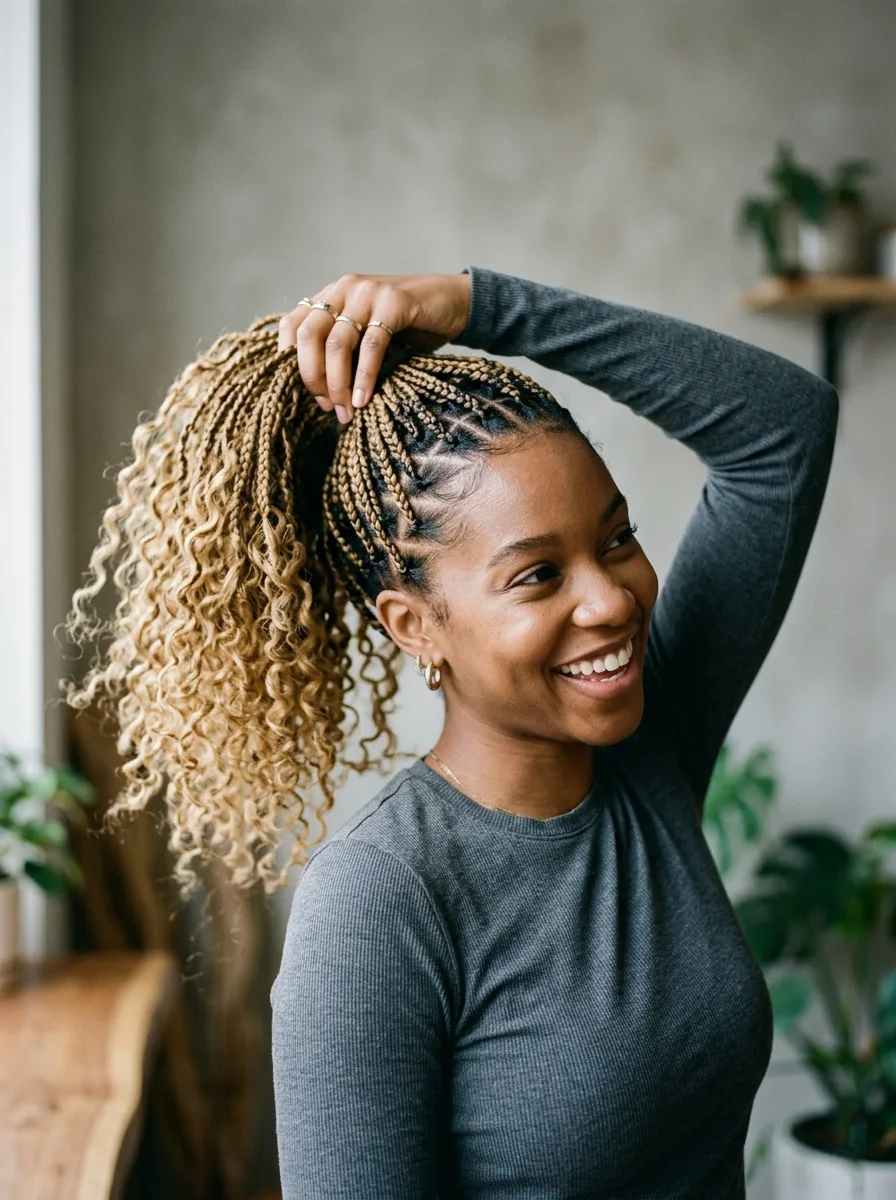 Braids
Hairstyles & Beauty
A full guide to boho knotless braids: styling variations, install tips, and maintenance.
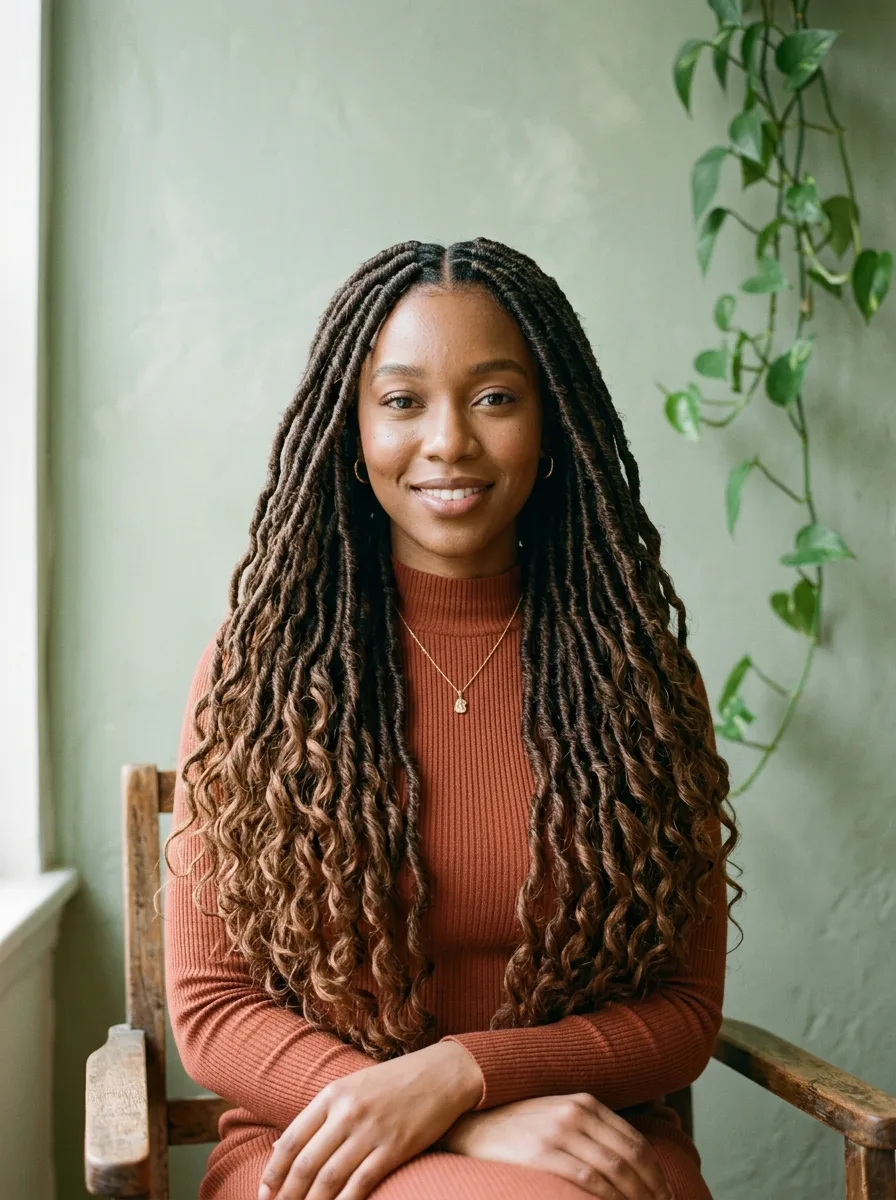 Locs & Twists
Hairstyles & Beauty
How to style and maintain boho locs, from fresh install to long-term upkeep.
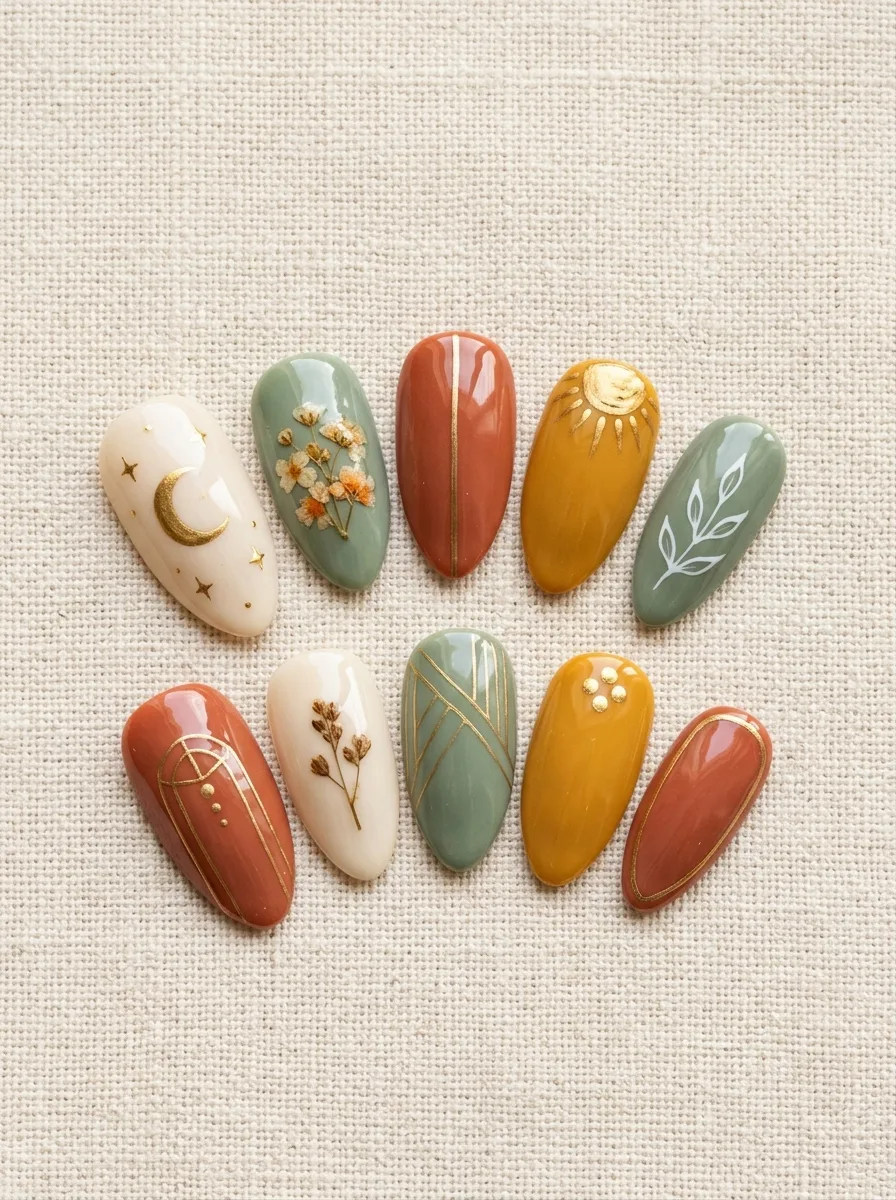 Nails
NailsHairstyles & Beauty
Earthy, boho-inspired nail art ideas — from terracotta minimalism to sun-and-moon accents.