Hairstyles & Beauty · Braids
Boho Knotless Braids: The Complete Style Guide
A full guide to boho knotless braids: styling variations, install tips, and maintenance.
9 min read
Hairstyles & Beauty · Braids
A full guide to boho knotless braids: styling variations, install tips, and maintenance.
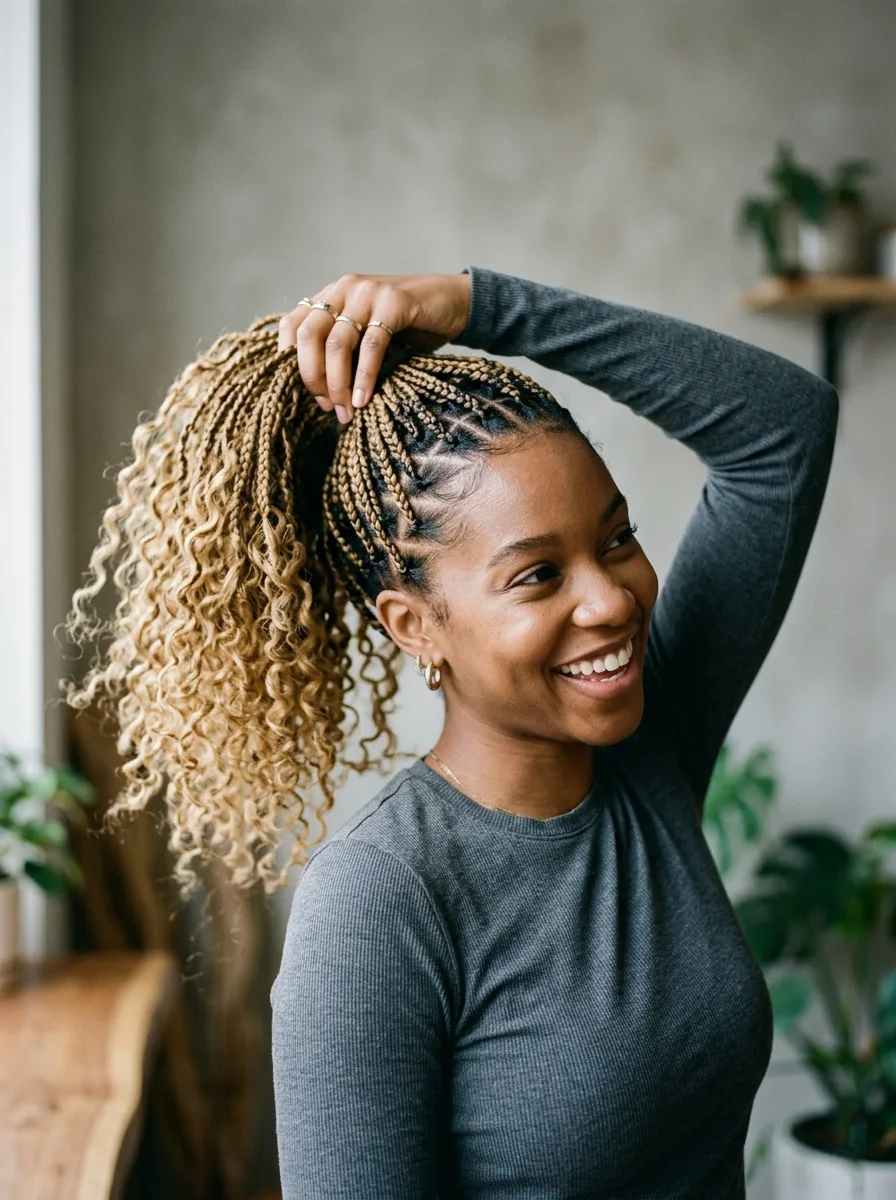
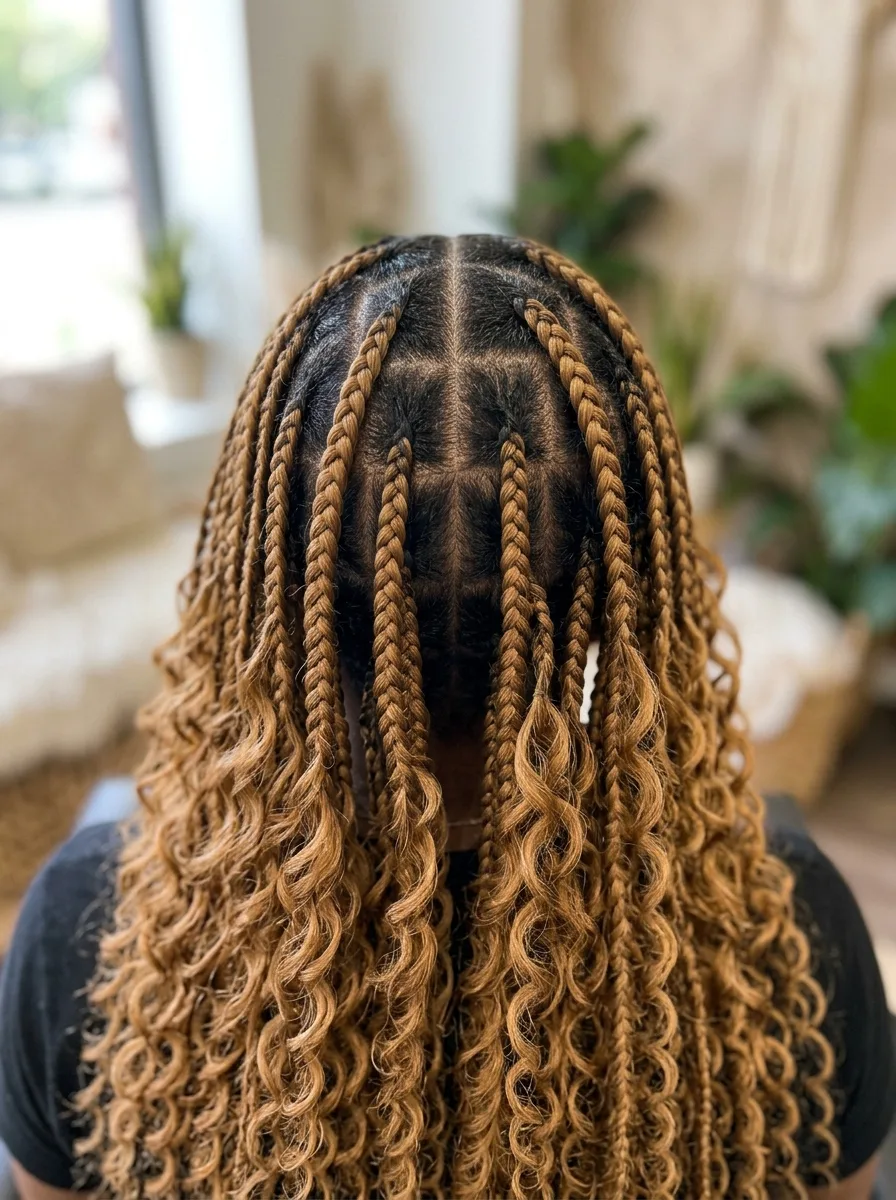
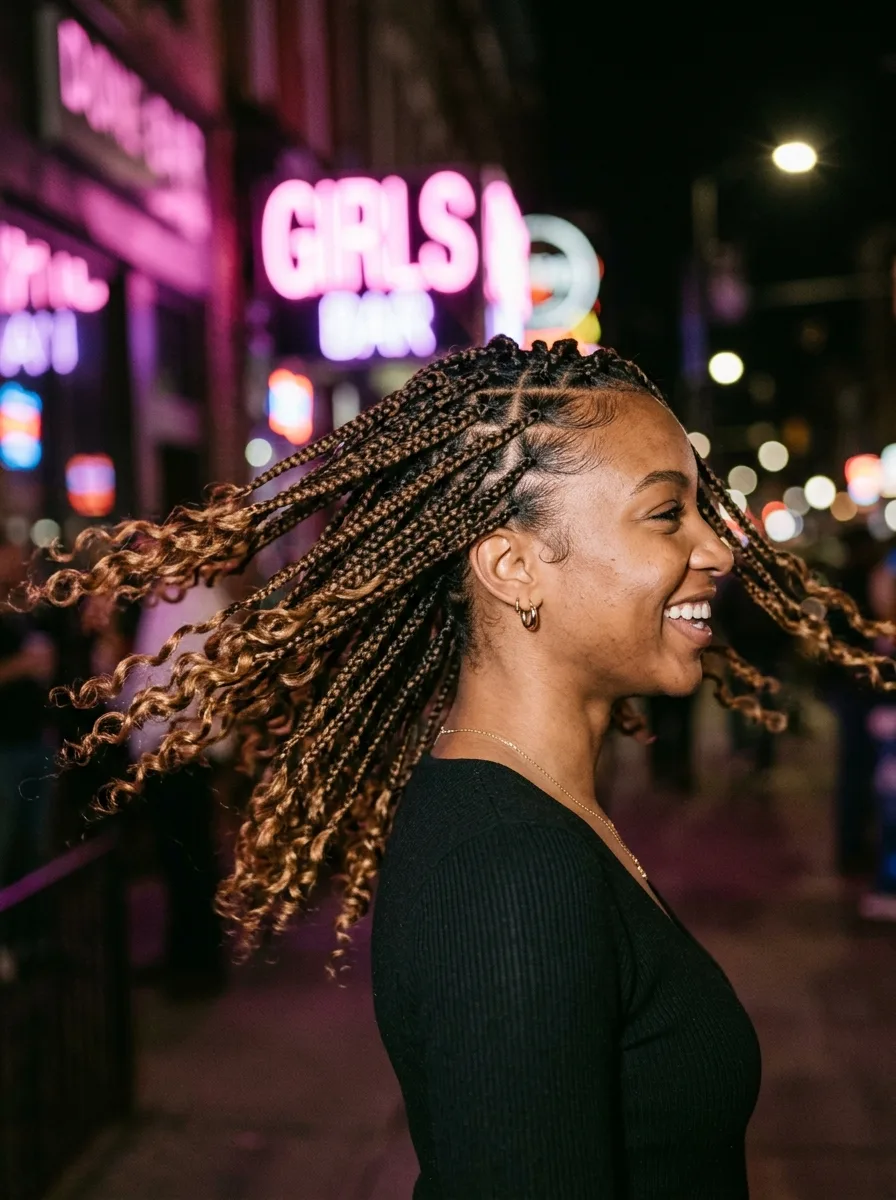
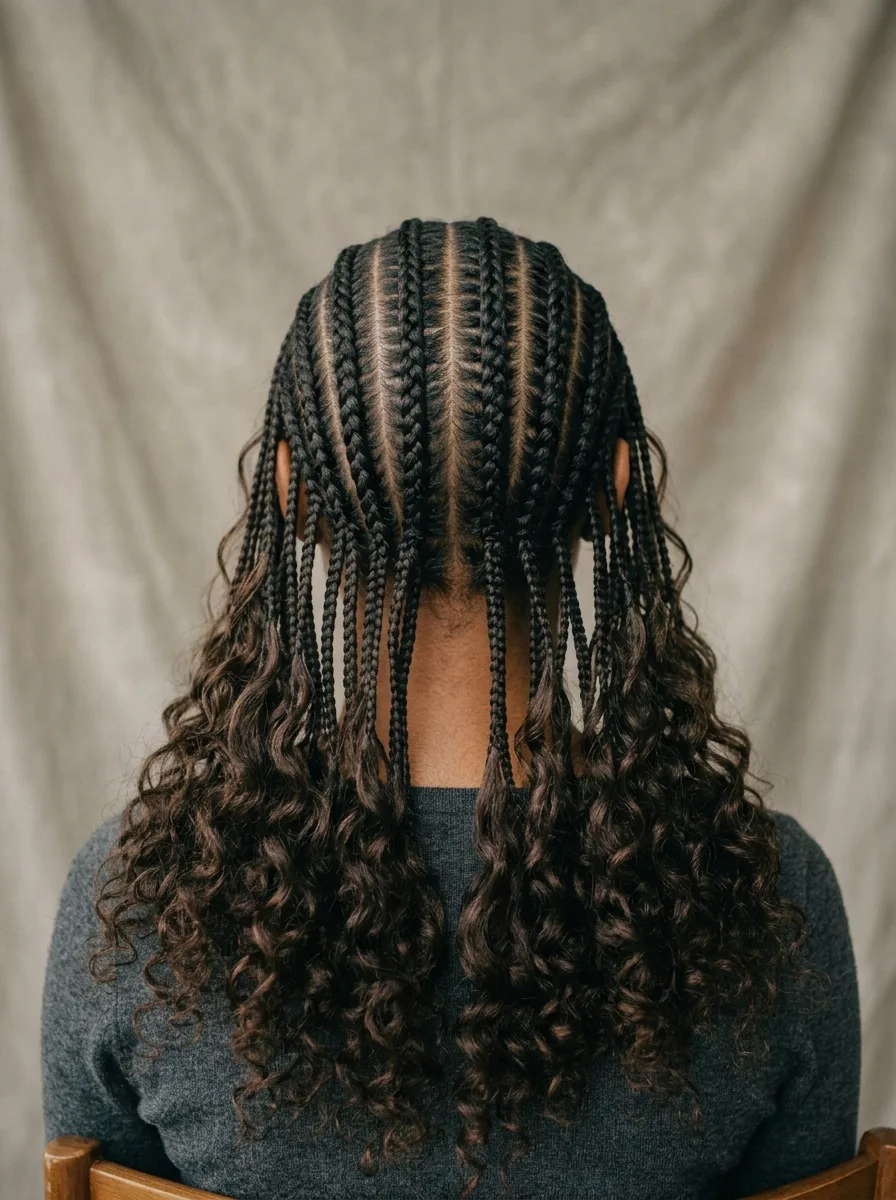
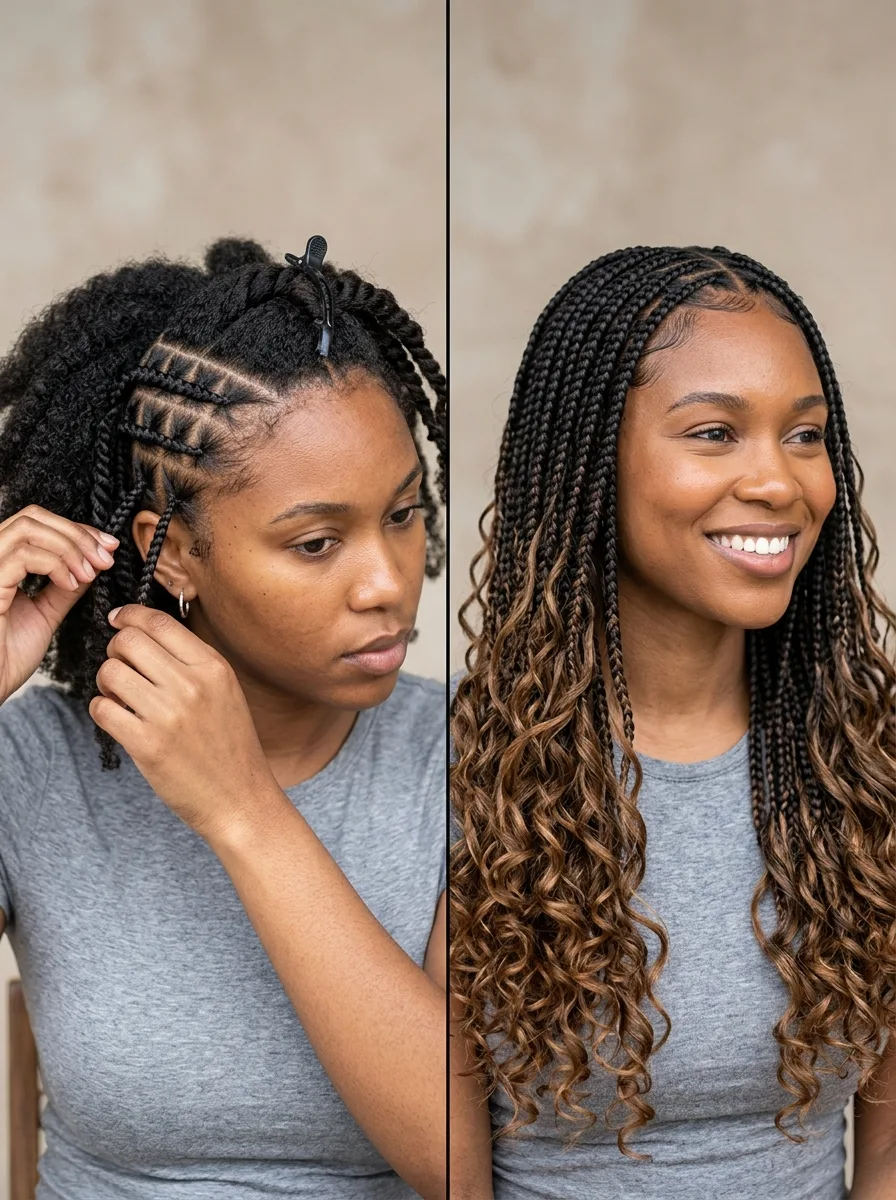
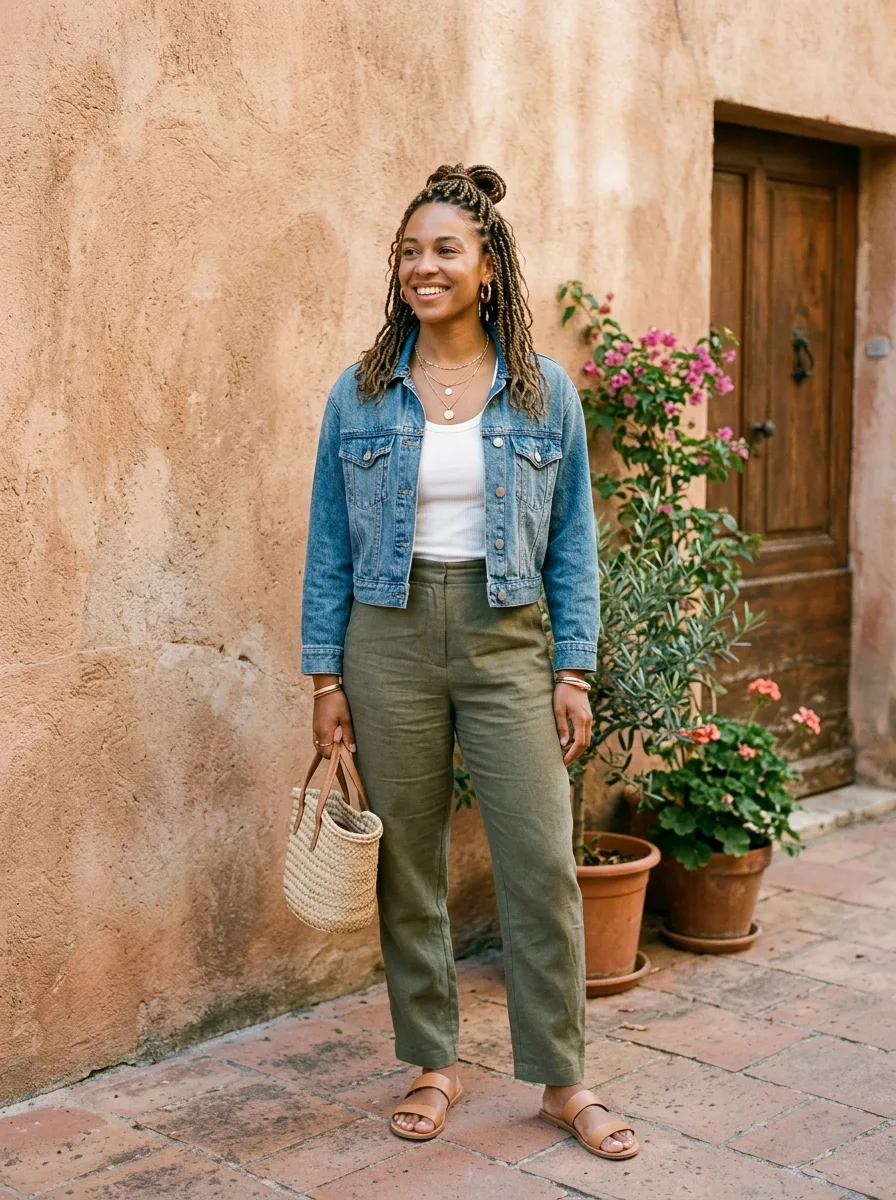
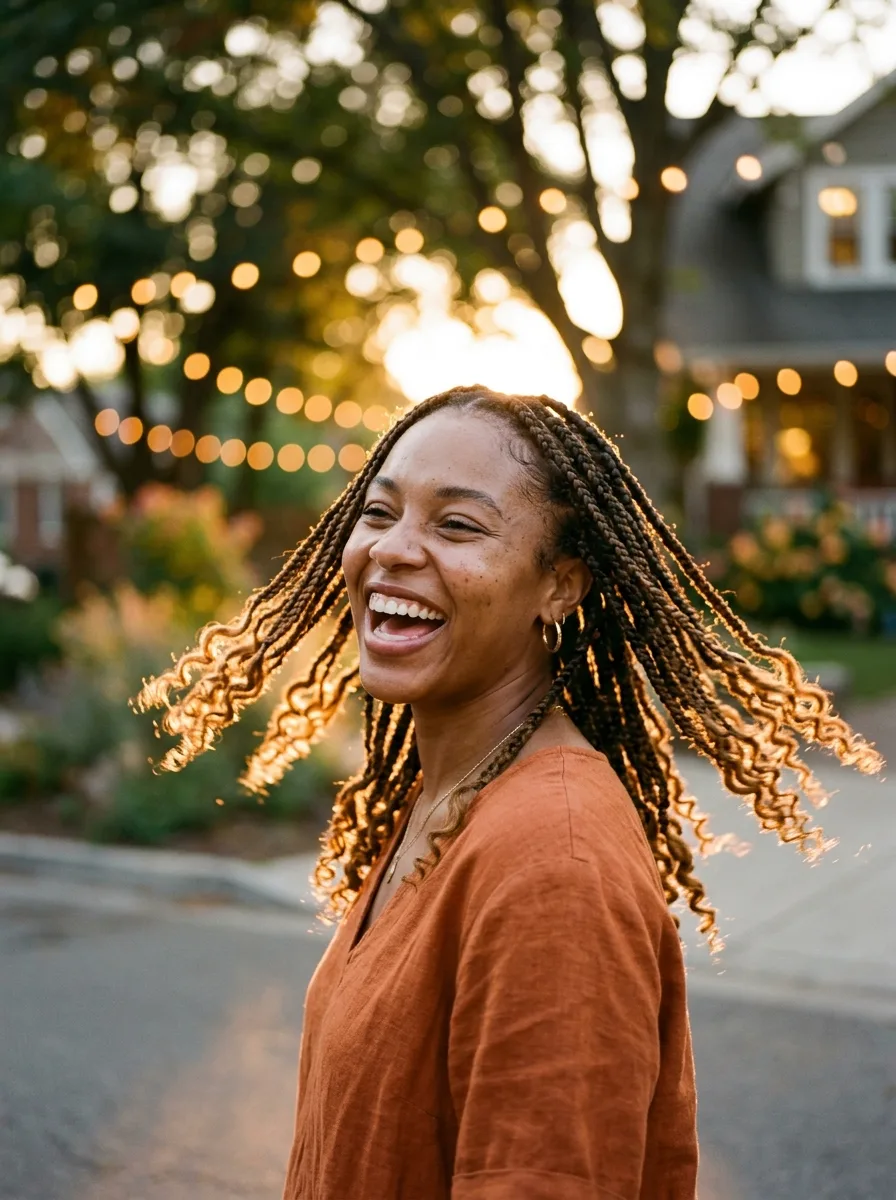
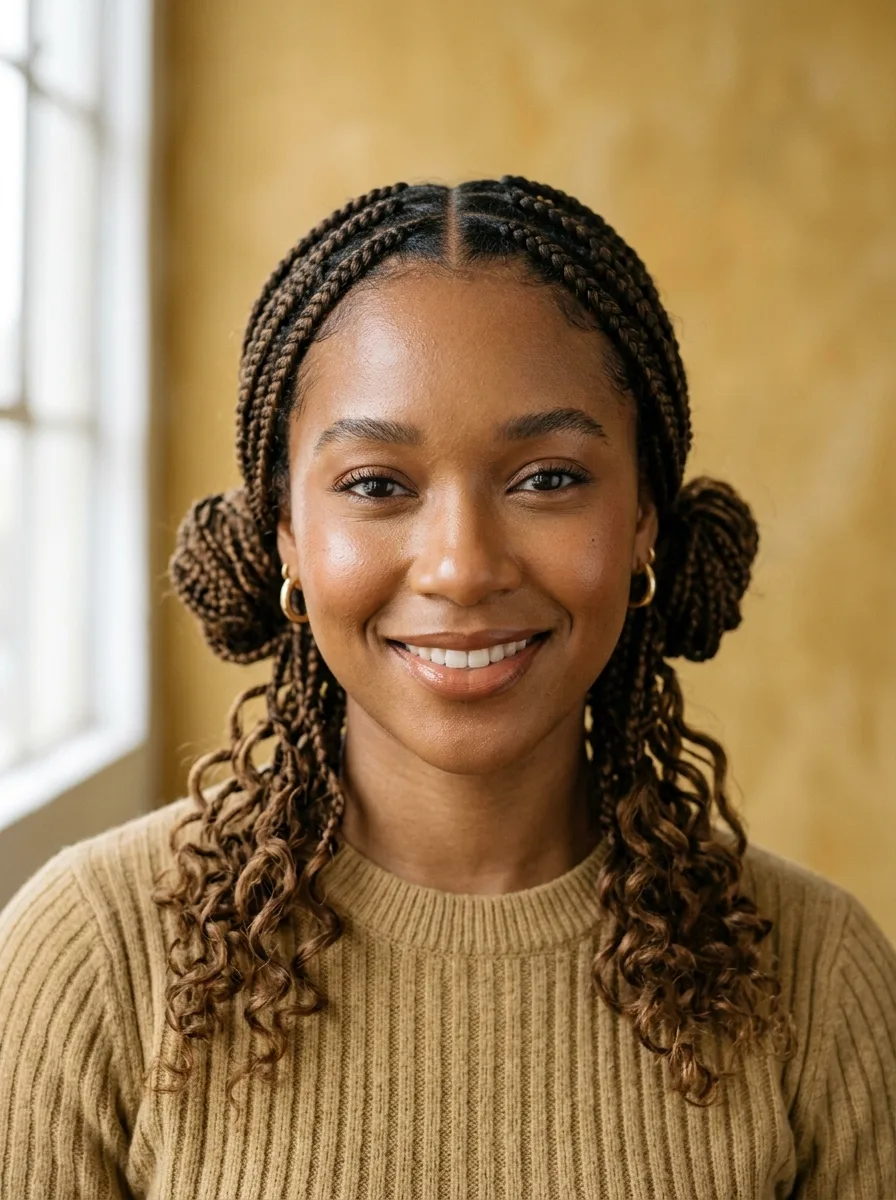
Boho knotless braids start the same way any knotless install does — hair is fed in gradually a few strands at a time instead of being knotted at the root, so there’s no bump and far less pulling on the scalp from the first day. What makes them “boho” is what happens for the second half of each braid: instead of running smooth synthetic hair straight to the tip, curly or wavy pieces are knotted in partway down, or the ends are left loose and curled. The combination gives you the low-tension comfort knotless braids are known for, plus the softer, undone texture people are usually after when they ask for boho.
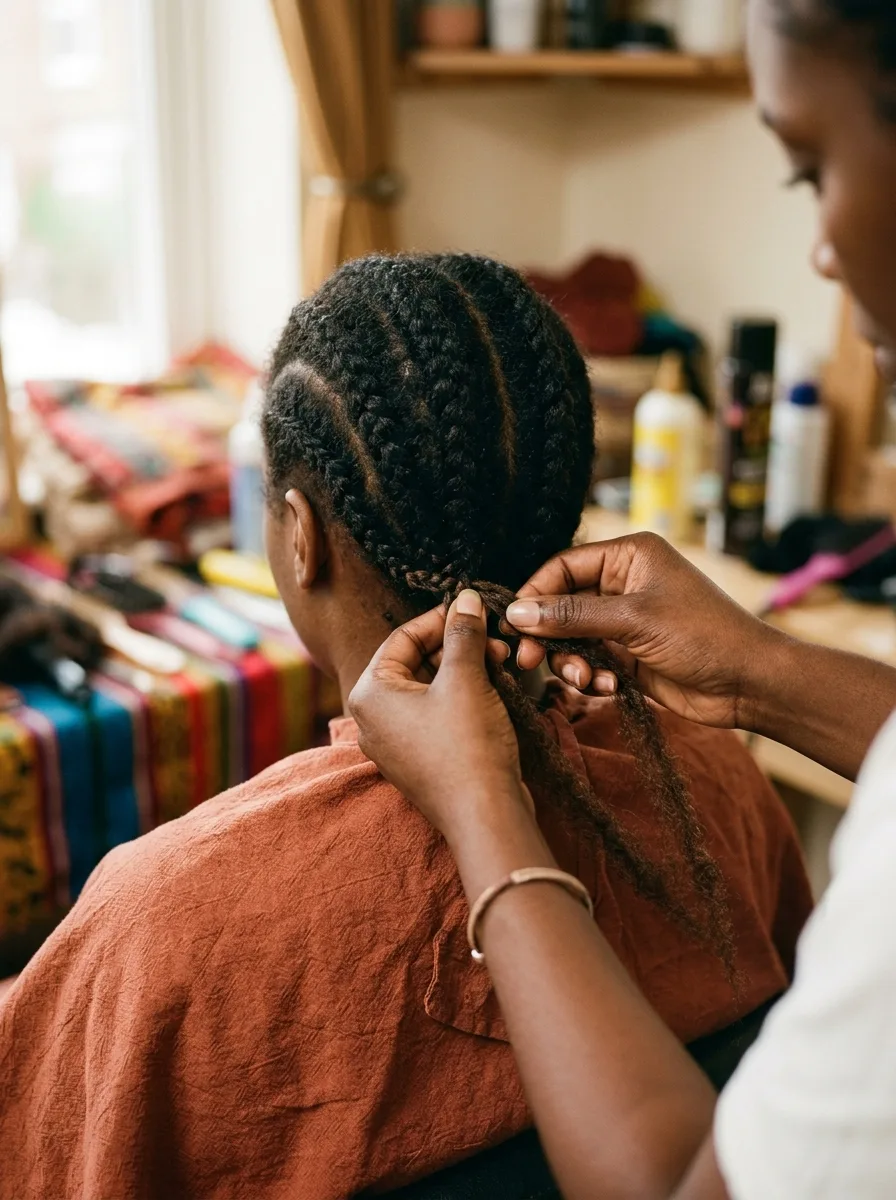
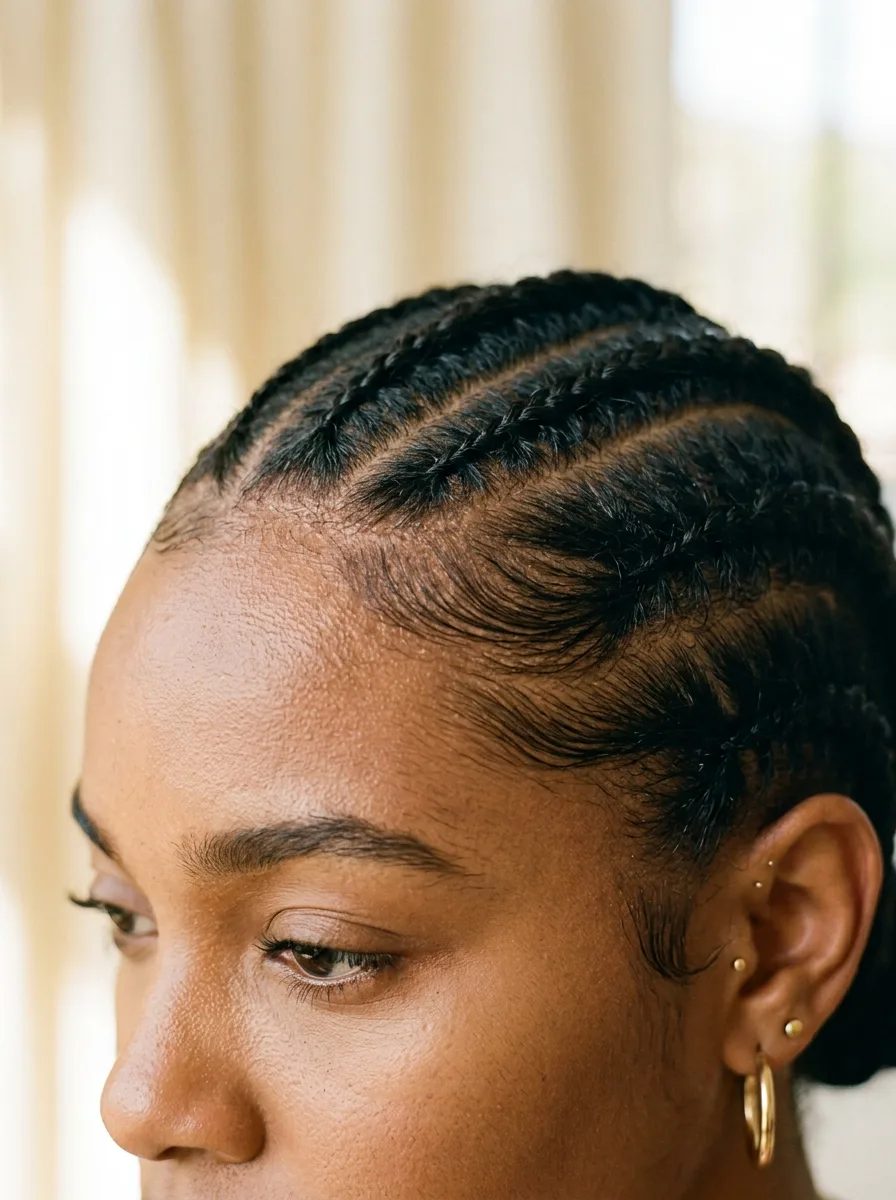
Traditional box braids start with a knot: your natural hair and the synthetic hair are tied together at the root before braiding begins, which creates a small, permanent bump and puts immediate tension right at the follicle. Knotless braids skip that step entirely. The braider starts with just your natural hair, braids a few rows down, and feeds in small amounts of synthetic hair gradually as they go — the same technique used in a feed-in cornrow. There’s no knot, no bump, and the braid tapers naturally into a thinner, more flexible base.
The practical upside shows up in the first 48 hours. Knotted braids often cause a dull, tight ache right after install that can take a day or two to ease off; knotless braids feel noticeably lighter from the moment your braider finishes, because the tension is distributed along the braid rather than concentrated at one knot. That matters even more with a boho install, since the curly accent pieces add extra weight to the lower half of each braid — starting knotless keeps the total pull on your scalp lower even with that added length and volume.
A full head of boho knotless braids typically takes 4-7 hours depending on braid size and how much curly hair is being incorporated — feeding hair in gradually is slower than starting with a pre-attached knot, so budget more time than you would for classic knotless, and more still for the curl-adding step at the end.
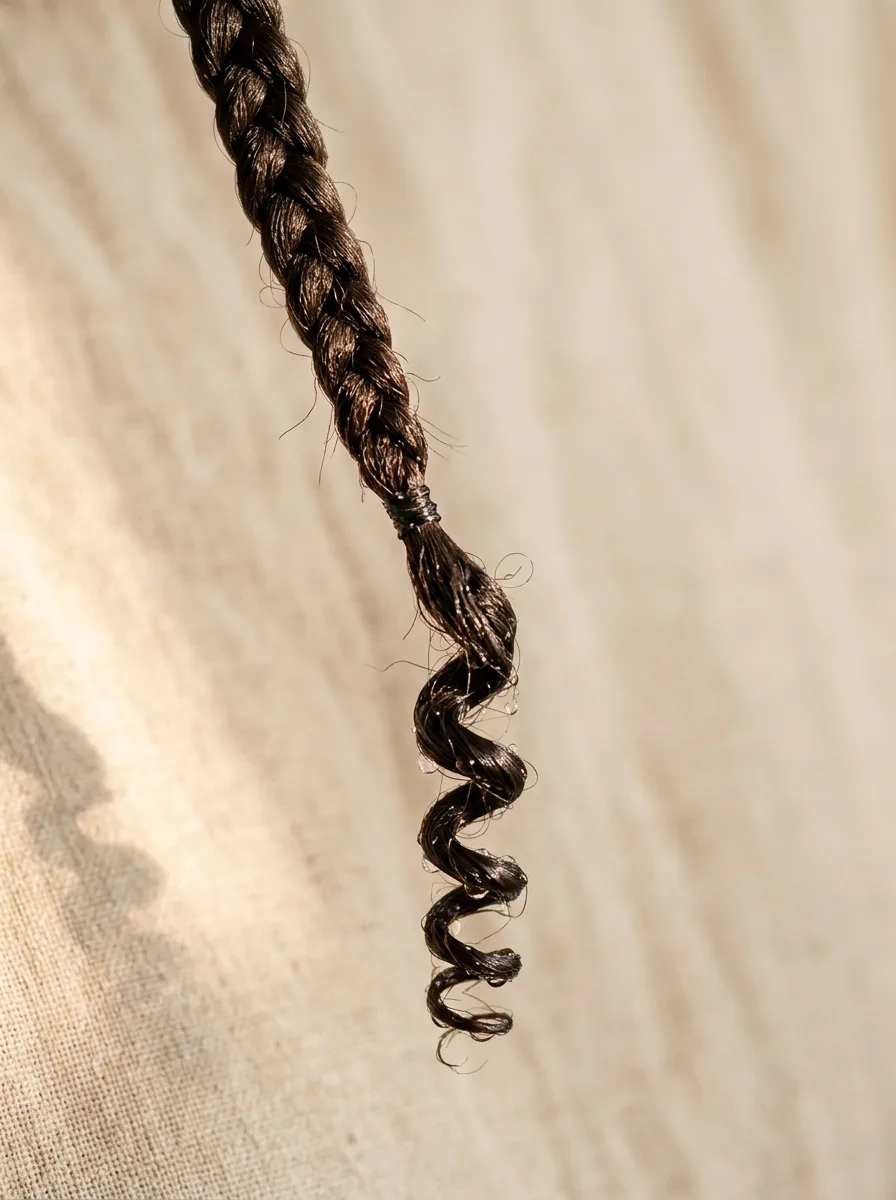
Most braiders section the whole head first, then work row by row: natural hair is braided a short distance, synthetic hair is fed in in small increments until the braid reaches full thickness, and it continues down to the desired length. For the boho portion, one of two things typically happens at that point — either a separate curly piece is knotted onto the braid partway down and left to hang loose, or the braider curls the last several inches of the braid itself using a perm rod and hot water, which fuses the synthetic fiber into a lasting curl or wave pattern.
Ask which method your salon uses before you book, since it changes maintenance. Separate knotted-in curl pieces can be replaced individually if one comes loose. Heat-set curled ends are part of the braid itself and hold their shape for the full life of the install, but can’t be spot-fixed the same way.
The curl texture you pick changes the whole character of the style. Deep-wave or water-wave synthetic packs (common at most beauty-supply stores) give a loose, springy curl that reads clearly boho from a few feet away. Human-hair curl pieces cost more but move more naturally and can be re-curled with a flat iron or hot water roller if they loosen over the weeks. For a subtler take, some people ask for wavy rather than tightly curled accents, which blends in more and shows less contrast against straight braided sections.
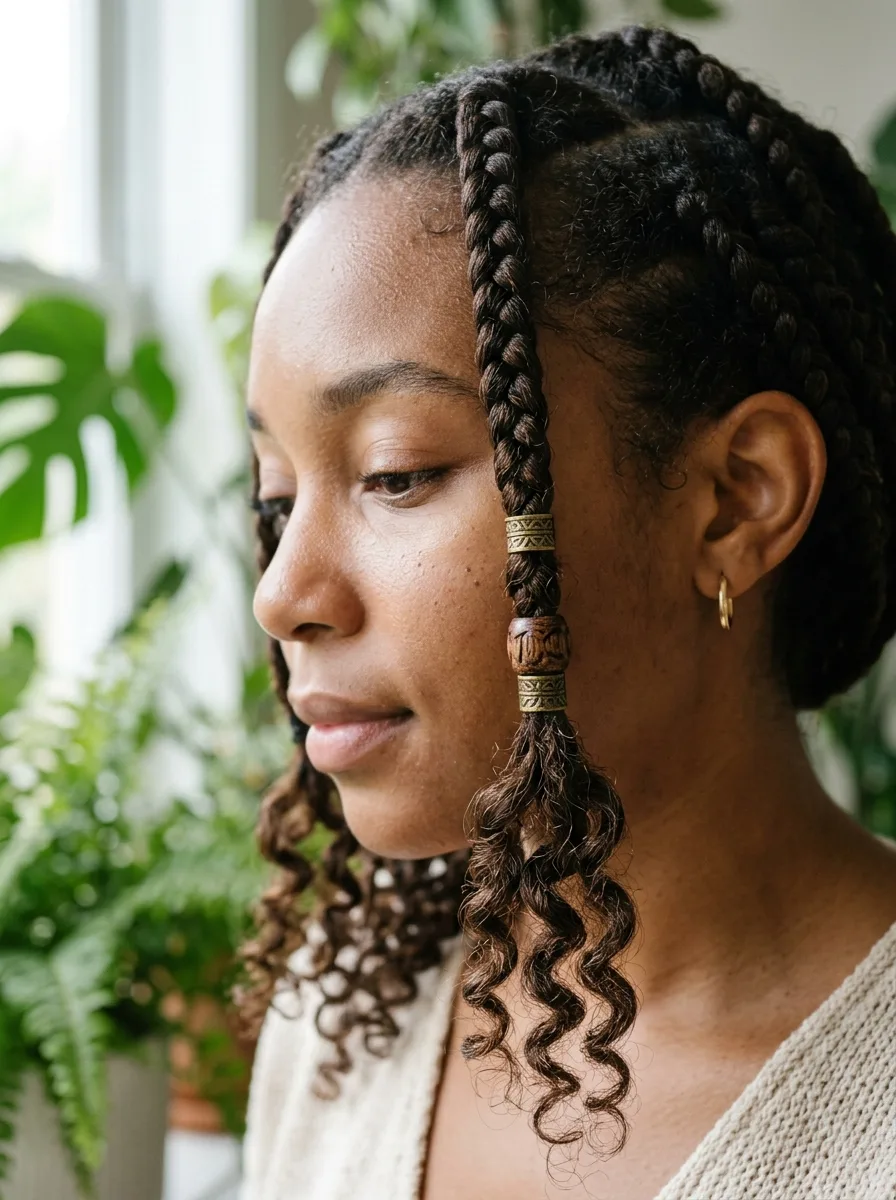
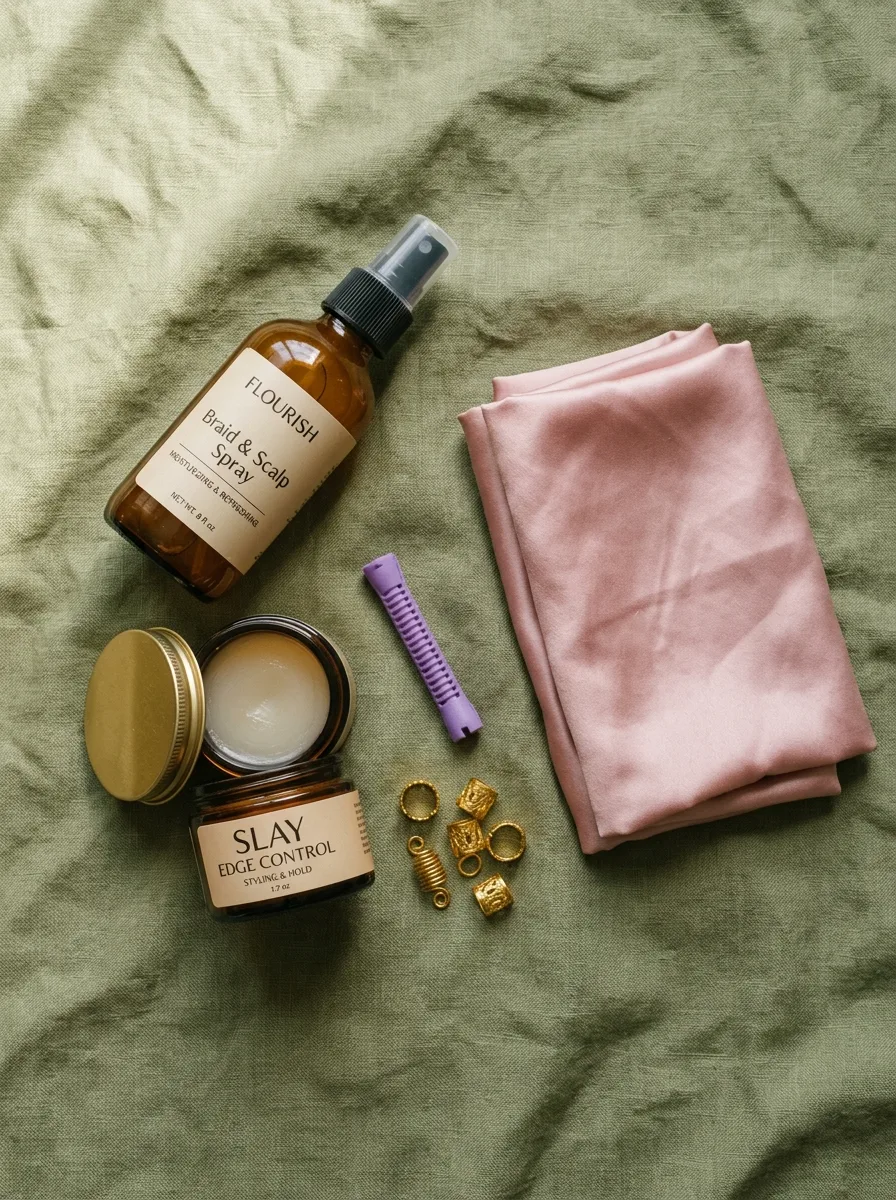
Beads, cuffs, and wraps do a lot of the “boho” visual work too. Wood, horn, and brass tend to read more bohemian than bright plastic beads; a few placed along face-framing pieces or at the very ends of a handful of braids is usually enough. A fully beaded set can add real weight to individual braids, so ask your braider to concentrate beads on thicker, more tension-tolerant sections rather than spreading them evenly across a head of thinner braids.
Size changes both the timeline and the finished look. Small and medium knotless braids give the most natural, scalp-hugging finish and the most styling flexibility (updos, half-up looks, middle vs. side parts) but take the longest to install and are the priciest option, since more individual braids means more labor. Jumbo boho knotless braids cut install time down substantially and put less overall tension on any single section, at the cost of a chunkier, more casual finish.
Length matters just as much as thickness. Waist-length or longer knotless braids show off the curly accent pieces best, since there’s more room for the wave pattern to move, but they’re also heavier and need more careful nighttime care to avoid tangling while you sleep. If you’re working with fine or thinning natural hair, or just want a lighter, lower-maintenance version of the style, a shoulder-length set is worth considering — we break down styling options specifically for that length in our short boho braids guide.
Week one is about settling, not styling. Keep the curly ends untouched as much as possible while everything relaxes into place, and stick to a light oil at the root every 2-3 days rather than product on the lengths. Sleep in a satin bonnet or on a satin pillowcase from night one — this matters more with knotless than with knotted braids, since there’s no knot holding the base in place and loose baby hairs at the root are more prone to friction frizz.
By week two or three, expect scalp itch as natural oil and product build up; that’s the cue for a diluted-shampoo scalp wash, not a sign anything went wrong. Refresh the curly accents with a water-and-leave-in mist as they start to lose definition, scrunching gently rather than rubbing.
Around week four, check the roots along your part lines. Because knotless braids taper so gradually, new growth shows less obviously than it does with knotted styles, but the braids do loosen at the base as hair grows out — if a section starts to feel like it’s slipping rather than just needing a root touch-up, that’s the signal to schedule a take-down rather than pushing to the six-week mark out of habit.
Most boho knotless installs hold cleanly for 5-7 weeks, slightly longer than knotted styles, since there’s less tension pulling the base loose over time. Watch for slippage at the root rather than counting days: if braids start sliding rather than just showing new growth, it’s time.
Take-down goes faster than with knotted braids for the same reason install does: no knot to cut or pick apart at the base. Soak sections in conditioner, then work from the ends up with a wide-tooth comb, one braid at a time.
If you liked the boho knotless look and want to go right back in, give your scalp at least a few days of rest first, even under a low-tension style like twists or a loose braid-out. And if your curly accent pieces were the heat-set kind rather than separately knotted in, ask your braider for a light trim on the very ends before your next set — heat-curled synthetic fiber loses definition after enough wash cycles, and starting the next install with fresh ends keeps the whole look crisper.
If you’re still deciding whether boho braids in general are the right protective style for you, our boho braids guide covers hair-type choices and appointment prep that apply across every variation, knotless included.
Expect $180-$350 for a full head with Kanekalon, more if you go with small or medium braids instead of jumbo, since more individual braids means more labor hours. Human-hair curl accents or waist-length installs push the price toward $400 or more in most markets — get a quote based on your density and desired size rather than a flat rate.
Yes, and it's a mechanical difference, not just marketing — traditional box braids concentrate tension at a knot tied right at the root, while knotless braids distribute it along the braid as hair is fed in gradually. Most people feel noticeably less scalp ache in the first 48 hours with knotless versus knotted, even with the added weight of boho curly accents pulling on the lower half of each braid.
Most sets hold cleanly for 5-7 weeks, slightly longer than knotted styles since there's less tension pulling the base loose over time. Watch for slippage at the root rather than counting days — if braids start sliding rather than just showing new growth along the part, it's time to take them down.
Sleep in a satin bonnet or on a satin pillowcase starting night one — this matters more with knotless than with knotted braids, since there's no knot anchoring the base and loose baby hairs at the root are more prone to friction frizz. Waist-length sets need it even more, since there's more length to tangle overnight.
Mainly length and weight. A shoulder-length or shorter knotless set is lighter on the scalp and dries faster after washing than a waist-length install, so if you're working with fine or thinning hair, or just want a lower-maintenance version, sizing down is worth asking for.
Short Boho Braids: Cute Styles for Every Face Shape →Yes — boho locs use the same idea, wrapping natural hair with loc-textured extension hair and finishing with loose curly pieces or face-framing tendrils for a softer, undone look. Locs hold longer between installs than braids do, but they're heavier and take longer to both install and remove.
Boho Locs: Styling, Care & Maintenance Guide →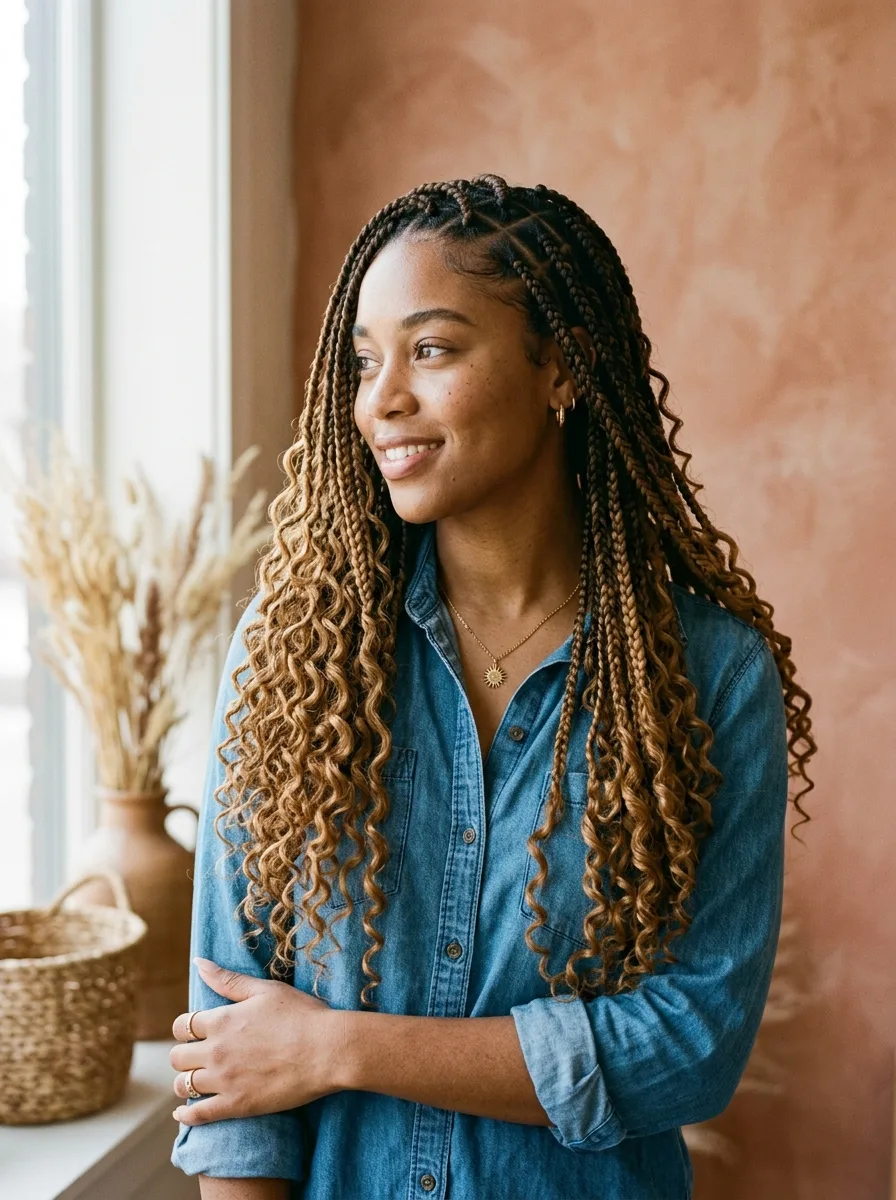 Braids
Hairstyles & Beauty
Everything to know about boho braids — styles, curly-hair accents, and how to keep them looking fresh.
 Locs & Twists
Hairstyles & Beauty
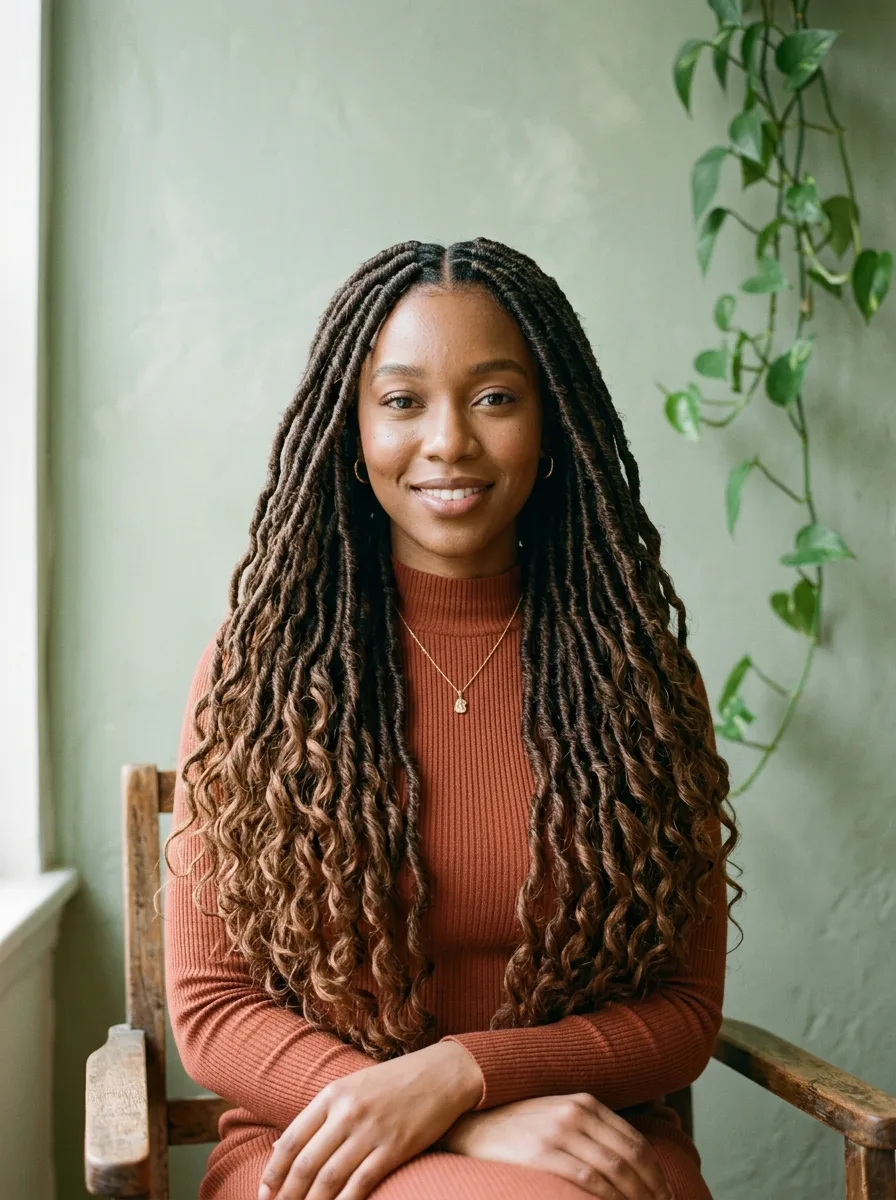
How to style and maintain boho locs, from fresh install to long-term upkeep.
 Nails
NailsHairstyles & Beauty
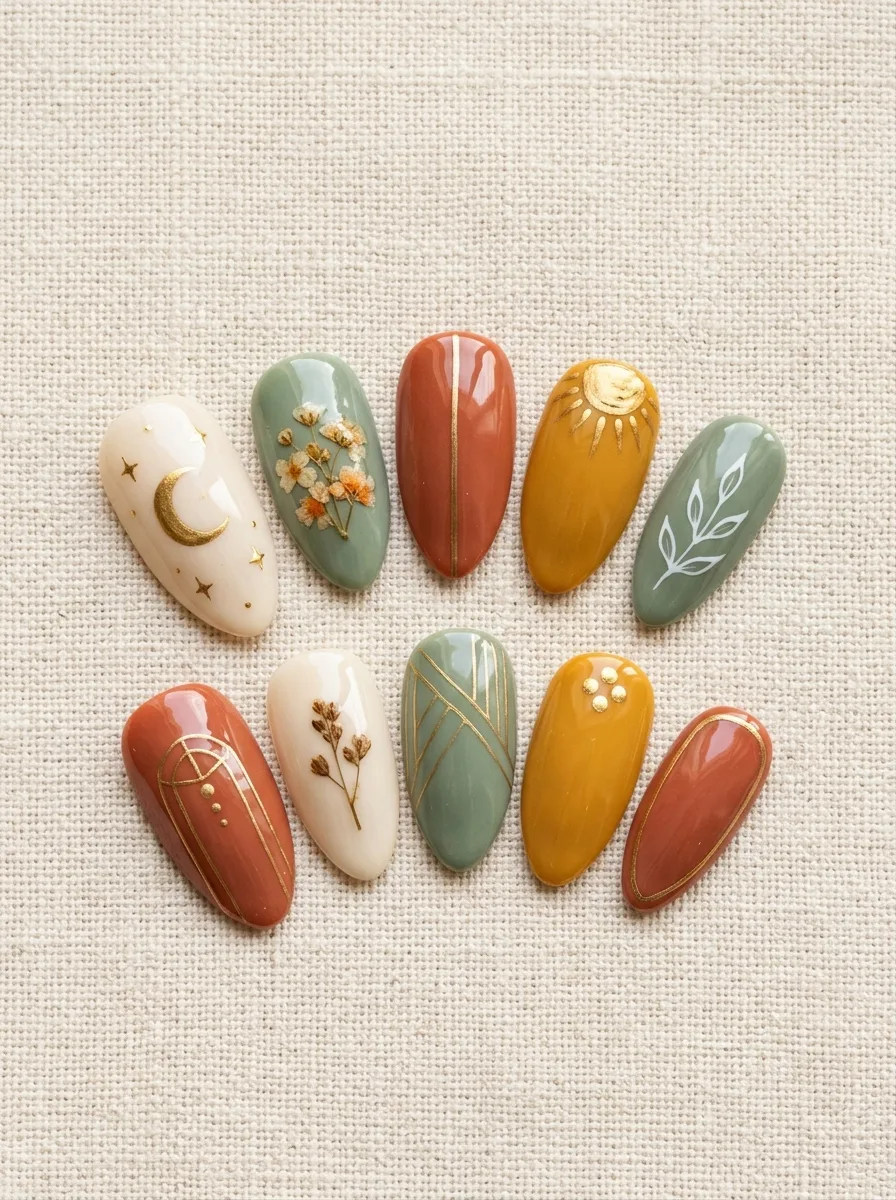
Earthy, boho-inspired nail art ideas — from terracotta minimalism to sun-and-moon accents.